


When Is a New Water Heater Needed?
Cold showers, lukewarm taps, or unexplained puddles near the tank often point to a system nearing the end of dependable service. Planning a timely water heater replacement helps stabilize water heating, protect finishes and flooring, and reduce the stress of emergency calls. Recognizing the common warning signs below helps you determine when a new unit and professional water heater installation will provide improved performance and peace of mind.
Temperature Issues
 Shifting or inconsistent temperatures are among the earliest clues that a water heater is struggling. When water alternates between too hot and too cool, internal parts may no longer regulate heat effectively. Sediment can settle in the tank and insulate heating surfaces, slowing recovery and reducing available hot water during normal routines. Electric models may exhibit worn heating elements, while fuel-fired systems can show burner or control concerns that affect steady output.
Another signal is hot water running out noticeably faster than it once did. As efficiency drops, the system may work harder yet deliver less consistent water heating to showers, dishwashing, and laundry. In many homes, these patterns grow more frequent as equipment ages. If temperature instability or shortened hot water supply becomes routine, evaluating capacity needs, fuel type, and placement can guide the choice of a replacement. A properly sized unit paired with careful water heater installation helps restore reliable performance and supports long-term efficiency.
Leaks
A leaking water heater calls for quick attention. Even small amounts of moisture at the base of a tank can indicate a developing water heater leak that may worsen unexpectedly. Often, water heater corrosion thins the tank walls from the inside, creating pinholes that allow water to escape. Because the storage vessel is sealed, a compromised tank generally cannot be repaired in a lasting, safe manner.
Signs commonly seen with a leak include persistent dampness, rust streaks, or mineral deposits around the bottom of the tank. Water traveling beyond the utility area can stain flooring, damage walls, and encourage mold growth. If the source is the tank rather than an external connection or valve, water heater replacement is typically the most practical solution to prevent sudden failure and higher repair costs. Following removal of the old unit, a professional water heater installation re-establishes secure connections, proper venting for a gas water heater or correct electrical setup for an electric water heater, and dependable operation.
Age and Corrosion
 Wear from years of service eventually affects most storage-style systems. Rumbling or popping sounds, frequent resets, or steadily declining output suggest that components are tired and sediment has accumulated to levels that hinder performance. Recurring fixes at this stage often provide only temporary relief and can become less cost-effective over time.
Corrosion is an especially urgent concern. Rust-tinted hot water, a metallic odor, or visible rust on the jacket can indicate water heater corrosion progressing from the inside out. Once corrosion compromises the tank, the likelihood of a water heater leak increases. Corrosion around fittings and valves may also point to long-term moisture exposure or aggressive water chemistry. When age- and corrosion-related symptoms arrive together, moving forward with water heater replacement can help avoid sudden failures and restore stable water heating for the household.
Selecting the right next step can be handled within these decisions. Matching capacity to current demand, confirming gas or electrical requirements, and choosing a location with proper clearances all contribute to consistent results. During installation, technicians typically verify safety controls, update connections, and confirm that the system vents or powers correctly. These steps offer a clean slate for performance and help reduce early wear on the new unit.
Simple, ongoing care supports longevity after replacement. Periodic flushing where appropriate, monitoring for surface rust, and addressing minor issues promptly can slow the return of temperature instability and reduce the chance of a leaking water heater down the road. When visible corrosion, persistent leaks, or erratic temperatures are present, the balance often tips toward replacement rather than repeated repairs.
About City Plumbing
City Plumbing in Philadelphia, PA, is a leading plumbing and HVAC company with over 20 years of experience. They provide straightforward pricing and clean and professional services from trusted technicians. Call them today for water heater services in Philadelphia, PA.
)

 Installing a tankless water heater comes with several advantages that make it an appealing upgrade for many homeowners. One of the biggest draws is energy efficiency. Traditional water heaters continuously heat water stored in a tank, even when it’s not in use, which leads to energy waste. In contrast, tankless systems heat water only when needed, which significantly reduces energy consumption and, in turn, lowers monthly utility bills.
 Over time, even the most reliable water heaters begin to show signs of wear. Homeowners should be aware of certain indicators that suggest it’s time to replace an aging unit, especially if the existing system uses a storage tank.
)
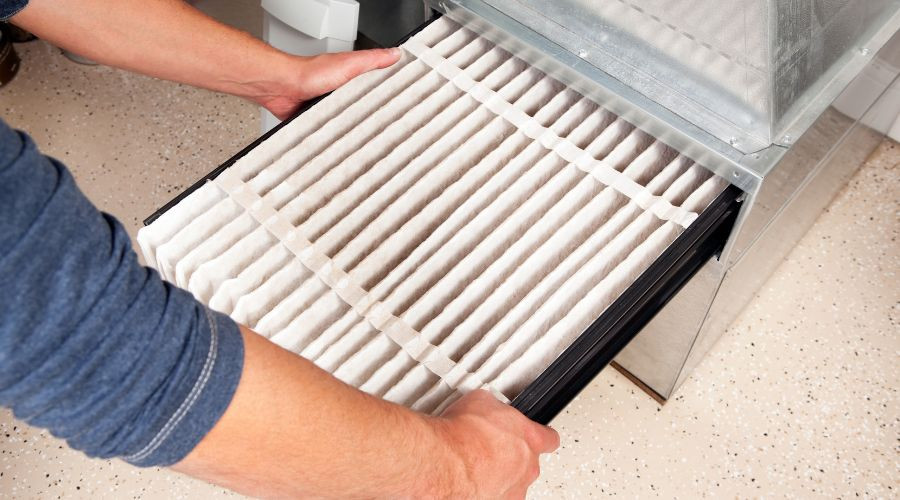
 Regular heater maintenance provides several tangible benefits for the heating unit and the residents living in the home.
  The specific steps involved in heating maintenance can vary based on various factors, such as the furnace model or the home's geographic location. However, heater maintenance usually involves a few key steps in a service call.
 )

 A conventional water tank is flawed by design. The principle behind their operation is that they heat water slowly and store it in a large tank awaiting demand. Inevitably, the tank will cool off, causing the water heater to have to reheat the water. Even with good insulation on the water tank, water tanks are inherently inefficient.
  Tankless water heaters sit idle until they sense a flow in the hot water piping in the home that indicates someone needs hot water or an appliance is calling for it. At that moment, they fire up powerful burners or heating elements to heat water, making them instantaneous water heaters. The beauty of tankless water heaters is that they will continue this process until flow is no longer sensed in the piping. This means endless hot water for everyone in the family.
 )
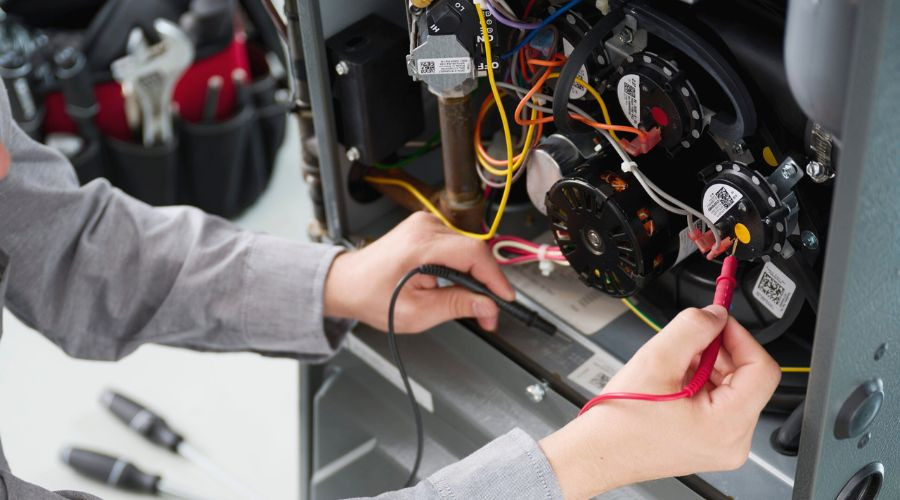

 While plenty of heat is encouraged during the cold stretch of winter, there is still such a thing as too much heat - enough to cause heaters to malfunction due to furnace overheating. A furnace or heater that exceeds its expected heat production can present many dangers, including carbon monoxide poisoning, heater damage, and even the possibility of a furnace fire.
)