


Differences Between Commercial & Residential Plumbing

The Main Differences Between Commercial vs. Residential Plumbing

Many homeowners assume that all plumbing is the same when it comes to residential and commercial. Professionals in the plumbing field are here to clear the air and fill them in on some of the biggest differences. 

Residential and commercial plumbing is far from the same. Sure, the same concept is involved, but there are alternate requirements, risks, and complexities for each. When it comes to commercial plumbing, the pipes have to be more durable than residential ones because they are used more and in larger quantities. Additionally, water pressure requirements are different between commercial and residential plumbing. 

Read on to learn more about residential versus commercial plumbing. 

The Effort of the Work

Being a commercial plumber is a tougher job than a residential plumber. Commercial plumbers work on sewer lines, industrial equipment that requires plumbing, and large boilers. Their work is more repetitive than residential plumbing jobs. 

scale

Additionally, when it comes to their workday, residential plumbers work for 8 hours and do the occasional emergency service. However, commercial plumbers work any time of the day, weekends, and holidays. They utilize times when the businesses aren’t operating to work more efficiently and quickly. 

Building Complexity

One of the most obvious differences between commercial and residential plumbing is the size of the structure. The larger commercial buildings will require a more intricate plumbing system, and are usually placed on the roof. Each floor has various branch lines, which are main water lines, that all go to one larger main line. The lines will have to go to multiple floors, which requires higher water pressure. In residential homes, the water lines are less intricate, and there doesn’t need to be as much water pressure since there aren’t as many lines for the water to go through. 

Additionally, the pipes in commercial buildings differ from those in residential homes. Commercial buildings require industrial pipes. PVC is prohibited by most of the plumbing codes due to its poor exposure to extreme temperatures. This is why most commercial buildings have copper, stainless steel, and PEX lines. This increases the cost of material, and the drainage system won’t last as long. 

Massive Risks

letters

As mentioned earlier, one of the greatest risks that come with commercial plumbing is the breaking of a pipe. If any of the pipes within the plumbing system burst, especially a pipe that spans multiple floors, it can be catastrophic. Businesses and offices can be compromised and even destroyed. When it comes to businesses the serve food and beverages, the burst pipe can shut them down. 

As for residential plumbing risks, they’re not as high as commercial. It doesn’t cost as much to repair the damage to a residential home if a pipe bursts, the water amount will be less, and the repair will be simpler. 

About City Plumbing

City Plumbing proudly serves the areas in and around Philadelphia, Pennsylvania. They offer 24/7 services for all plumbing and HVAC issues, there is no use of subcontractors, they have flat-rate pricing, and they offer a satisfaction guarantee on their work. Call now for expert plumbing services!

All About Outdoor Plumbing Blockages

Things All Homeowners Should Know About Plumbing Blockages

With so much attention on indoor plumbing like toilets and bathtubs, outdoor plumbing seems to get overlooked quite often. However, the home’s outdoor plumbing system is just as important as what’s inside the home.

A plumbing blockage that happens outdoors can still back up and impact the entire home, so it’s important that homeowners be as educated as possible. Not only can this avoid those unexpected plumbing emergencies, but also it can help you get your entire family involved in protecting your plumbing system!

What Outdoor Plumbing Includes

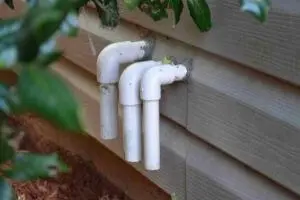
outdoor plumbingMost homeowners know what parts make up their indoor plumbing, but what makes up the outdoor plumbing system? The outdoor plumbing system is different depending on the size of the home and what is located in the yard.

The most common fixtures of outdoor plumbing that are common for almost every home, though, are outdoor spigots and sprinkler systems. There is also at least one outdoor yard drain that helps clear excess water from the yard.

Some larger homes may also have outdoor sinks and showers installed, which increases the number of pipes and drains that are located outside the home.

Because there are so many different scenarios for outdoor plumbing, it is important to perform regular maintenance before emergency situations like plumbing blockages happen. Homeowners should be aware of where exactly their outdoor plumbing fixtures are located so that they can check on them regularly.

How Outdoor Pipes Can Get Clogged

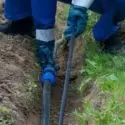
outdoor pipes

Like any plumbing system, outdoor pipes can experience plumbing blockages. The reasons they happen are just slightly different than those that occur indoors. The majority of plumbing blockages that happen with outdoor plumbing comes from organic materials like mud or leaves.

However, plumbing blockages outdoors can also happen as a result of trees and other plant roots that go around, or even into, the pipes. Preventing clogs includes regular inspection and maintenance of the drains for buildups of those organic materials or any potential root infiltration.

Any excess buildup of leaves, rocks, etc. should be cleared away from outdoor drains regularly, especially during the fall when leaves start to fall from the trees at a regular pace. It is not generally recommended by plumbers to use any sort of chemical drain cleaners. Not only do they not work well, but they can also cause damage to the pipes as well as being potentially hazardous to any wildlife or water sources.

The Benefits of Hydrojetting

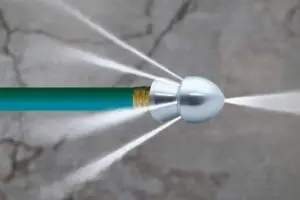
hydrojettingBig outdoor plumbing blockages may benefit from the use of professional hydrojetting services. The way that hydrojetting works is by blasting high powered water down into the pipes at several thousand psi.

The water can push through most plumbing blockages as well as loosening sludge, debris, and other buildups from the inside of the pipes. In addition to helping with the immediate situation, hydrojetting also makes it less likely for those buildups to occur in the future as well.

It is imperative that only trained, licensed plumbers perform hydrojetting services on plumbing blockages, though. Prior to hydrojetting, a video inspection is usually performed to verify that the pipes are safe for the service to be performed. If used inappropriately, it has the potential to cause a pipe rupture and create an additional problem for the homeowner.

About City Plumbing

Staffed by both master plumbers and HVAC technicians, City Plumbing in Philadelphia, Pennsylvania has been open for two decades. They are clean and professional and use only the latest technology to provide services like drain cleaning and emergency plumbing. Their staff is focused on providing top quality service with every call.