

How to Check Your Sump Pumps Before Spring

What Is a Sump Pump?

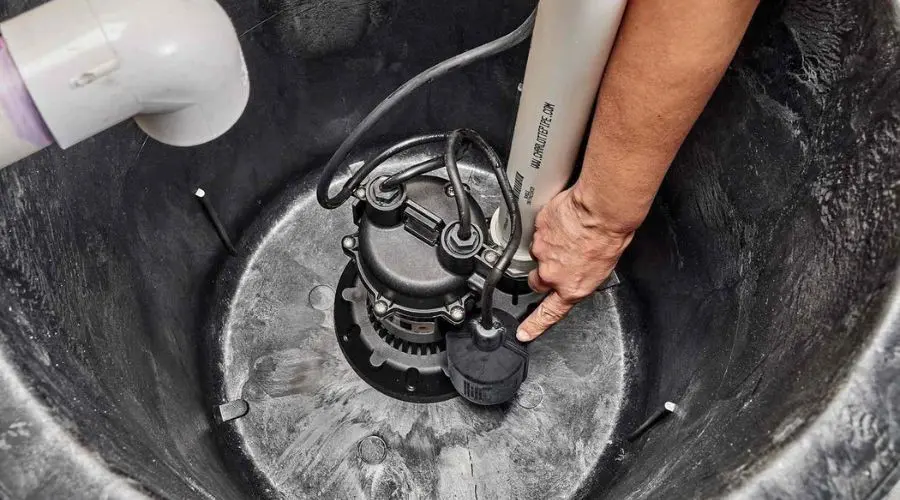
A sump pump is a motorized device that moves water from the lowest part of the home to a designated drainage area, such as a drain, dry well, or creek. A sump pump consists of a hose, motor, and sump pump float switch, which work in tandem to siphon accumulated groundwater. The sump pump is installed in a natural pit at the lowest point in the home, called a sump pump basin.

How Do Sump Pumps Work?

Sump pumps have various designs, but a switch informs the motor when water must be drained from the house to a suitable drainage area. As such, the pumps can be operated independently and only turn on when needed. Sump pumps are a highly effective form of preventative maintenance, reducing the risk of the following:

Types of Sump Pumps

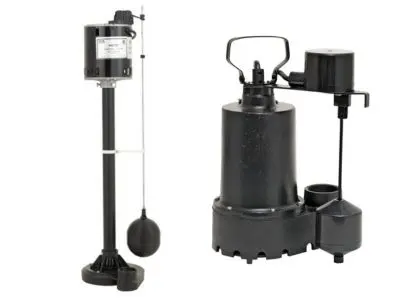
sump pumpsSump pumps come in two different types: submersible and pedestal. A submersible sump pump has a self-contained motor and pump in the basin. When water rises to a certain level, a switch activates the pump, and the draining process begins. Because the unit contains both the motor and pump, submersible units are usually more powerful, quieter, and less prone to clogging. Submersibles may not be as long-lived as other types because they're continually submerged and are typically more expensive.

A pedestal sump pump also consists of a motor and pump and operates by the same principle, but only the pump is submerged. The motor sits on a pedestal above the water, improving its longevity and allowing easier maintenance. Because the water doesn't mute the sounds of the motor, pedestal sump pumps can also be louder than their counterparts.

Ensuring the Sump Pump Works
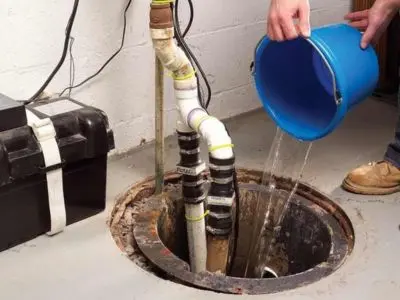
sump pumpWhile a professional plumber should handle more technical issues, it's good practice for homeowners to check their sump pump from time to time by following these steps:

  • Inspect the hose and pump interior – Clear out clogs to improve the sump pump's function and lifespan.
  • Test the pump: Unplug both the motor and float switch. Plug in just the motor again, and it should turn on immediately. Remember to plug the float switch back in after testing.
  • Pour water into the pump – Fill the pump basin with a 5-gallon bucket of water to activate the float switch. The float switch should trigger the motor to start draining.

It's crucial to have a sump pump installed by a professional. A licensed professional can also troubleshoot and repair faulty components in the sump pump to ensure it can protect the basement from flooding. Another good preventative measure is to ensure the system is installed with a sump pump battery backup, which allows the device to work even when the power is out.

About City Plumbing

City Plumbing knows that flooding can be a terrifying prospect for a homeowner, so they offer 24/7 plumbing services to give peace of mind. With licensed technicians and three master plumbers on staff utilizing cutting-edge technology, one can expect guaranteed results and expert advice. Give them a call today for plumbing services in Philadelphia, PA!

Distribution Links +

Got Questions About Heat Pumps? We've Got Answers!

Heat Pump FAQs

Most homes in the country are heated with traditional centralized furnace heaters. They have been around the longest and have provided consistent indoor heating for decades. Still, for some time now, new technology in indoor heating has been developing and experiencing a resurgence in popularity as more homeowners look for cost-saving heating measures without sacrificing quality – this technology is the heat pump system.

Heat pumps have been around since the 1850s and were used to heat homes around the 1960s. Still, this technology has gained much traction for domestic use because of a renewed interest in environmentally friendly heating options. In this regard, heat pumps deliver a lot of bang for the buck. Not only do heat pumps use up less energy compared to gas furnaces, but they also lower carbon emissions by up to 75%. But how do heat pumps achieve this eco-friendly, energy-saving feat? 

What Is a Heat Pump, Exactly?

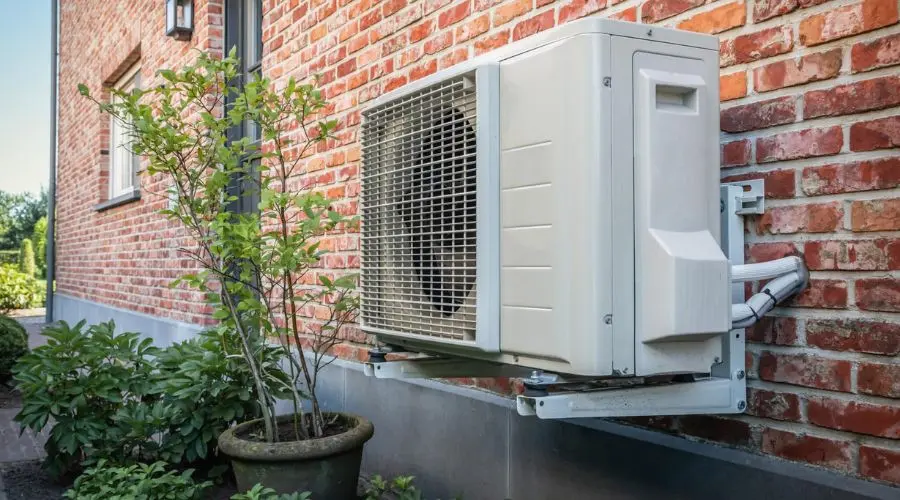
Instead of generating heat, a heat pump transfers heat from one place to another. In the summer, it uses this concept to cool indoor air by moving heat outside, while it does the opposite in the winter to keep homes warm and comfortable. While there may be different kinds of heat pumps similar to the different types of furnaces, there are only two sources from which heat pumps gather heat: from the ground or the air. Either way, ground-source or air-source heat pumps can be installed at home as a ducted heat pump, a ductless heat pump, or a mini split heat pump. 

Advantages of Heat Pump Installation

air quality To understand why heat pumps are becoming so popular lately, one need not look further than the benefits homeowners can enjoy when opting for heat pump installation.

  • Energy bill savings - A heat pump allows homeowners to save on utility bills. Being more energy efficient than gas or electric heaters allows it to lower energy consumption and energy costs.
  • Better safety ratings - Without fuel storage or delivery systems typical of gas furnaces, heat pumps are safer to operate at home.
  • Lower carbon emissions - Heat pumps are known to lower carbon emissions by as much as 75%, with the most emission reductions possible when a home gets its electricity from clean sources such as wind, solar, or geothermal energy.
  • Can heat or cool - Heat pumps can be used for heating and cooling, allowing homeowners to repurpose their heat pumps as the seasons change.

How To Tell When Your Heat Pump System Is In Need of Repair

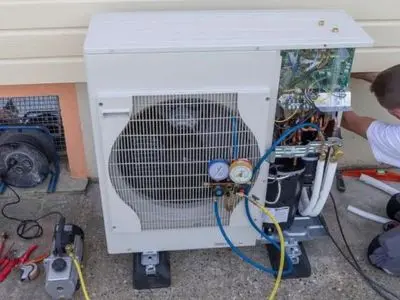
heat pump service While heat pumps are meant to last as long as a decade or two, which is about the same lifespan as a traditional gas furnace, they do and will break down occasionally. The trick is to catch these problems early and repair the heat pump as soon as possible so that these problems do not blow out of proportion.

Homeowners who notice that their heat pumps have a malfunctioning or broken motor, thermostat, or starter capacity should get their systems checked. Timely maintenance to prevent frozen heat pump coils, low levels of refrigerant, and mechanical issues will also go a long way to keep heat pumps in great condition and running smoothly throughout the winter season.

About City Plumbing

City Plumbing is a reliable plumbing services provider in Philadelphia and its surrounding neighborhoods. Their flat-rate pricing, 24/7 service availability, and true satisfaction guarantee all speak to their dedication to providing the best service to the people in their community. They have a team of trusted technicians equipped with fully stocked trucks and use the latest technology to ensure that they provide the right solutions on the first try. Call them today for heating service in Philadelphia, PA.

Distribution Links +