
Three Signs of a Refrigerant Leak

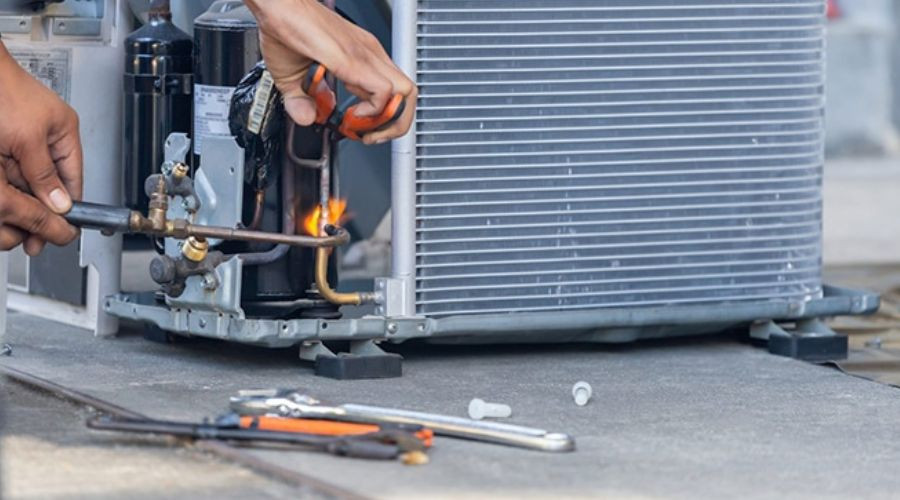
Technician’s hand repairs air conditioning unit, using tools near flames, showcasing HVAC service expertise by City Plumbing.

Refrigerant Leaks: What To Know

Air conditioning is essential for a comfortable home. However, like any other machine, issues can arise, making an AC unit less effective. One such problem is a refrigerant leak. This makes the air conditioner work harder and use more energy, and if left alone for too long, it can lead to permanent damage.

Here are some of the most common signs that an AC system may leak refrigerant so that it’s clear when it’s time to get it fixed.

Frozen Evaporator Coils

frozen evaporator coilsOne of the most obvious ways to tell if an AC system has a refrigerant leak is by checking for frozen evaporator coils. These play an important role in absorbing heat from the air inside the home, and they need AC refrigerant to do their job. 

When there isn’t enough refrigerant in the air conditioner due to a leak, the coil won’t be able to pull as much heat out of the air as it should. This leads to condensation on the coil freezing, which will be seen as ice on the unit. 

The AC Isn’t Cooling Properly

Another way to tell if an AC unit leaks refrigerant is by how well it cools the home. When less refrigerant moves through the system because it’s all leaked out, things won’t cool as fast or as well as they should. This could appear in two different ways:

  1. The air coming from vents isn’t cold at all
  2. The vented air is cooler than actual room temperature but not enough for comfort

The longer cooling cycles are likely to lead to higher utility bills, as the motor will now have to run for longer periods just to get some cool air into the house. 

Besides longer cooling cycles, refrigerant leaks can also lead to increased wear and tear on the components. The result is a shorter lifespan of the AC unit and more potential costs in repairs or replacement. 

Hearing Strange Sounds

soundsLastly, if the AC unit makes any strange sounds, there could be a refrigerant leak. These sounds could be hissing, gurgling, or bubbling, and they come from the pressurized refrigerant escaping through cracks and holes in the system. Hissing is especially bad because it usually means that gas refrigerant is leaking out somewhere. 

If any of these noises come from an AC unit, it’s best to check everything immediately. If there is an air conditioning refrigerant leak, acting immediately can save money in the long run by preventing further damage. Having things go smoothly at home is always a plus, but sometimes, things just don’t work. If any of these three signs are present in an AC unit, know it’s time to seek professional help before anything worsens. 

About City Plumbing

For plumbing, HVAC, or refrigerant leak detector services in Philadelphia or South Jersey, City Plumbing is the number one choice. Their experience and expertise in the field is unmatched. They always deliver top quality, which means the home’s systems will work at their best. Their team is licensed and committed to excellence, ensuring they’re up for any challenge. They also keep safety measures and compliance at the forefront of their operations. Contact them today to schedule AC repair

Three Signs That Air Conditioner Replacement Is Imminent

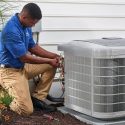
Technician in blue shirt servicing air conditioning unit in residential setting for City Plumbing maintenance services.

When to Replace the AC 

Installing an air conditioner is an expensive and involved process. Luckily, most homeowners will only have to do it once or twice since most air conditioners last two to three decades. When doing the job, the most important question is timing. Replacing an air conditioner too early is a waste of money since it could’ve lasted a few more years. Replacing the unit too late will likely waste money on excess repairs and high bills. 

How can a homeowner know when to replace the AC? Luckily, air conditioners give signs that they are nearing the end of their service. This guide is intended to help homeowners maximize their investments by allowing them to get the most out of their current equipment without wasting money on repairs when they should have just replaced the unit. 

New Noises and Stubborn Odors 

smell

An aging air conditioner that needs replacement can assault multiple senses. The first sign that AC replacement is needed is noise. During normal operation, an air conditioner shouldn’t generate much noise. Apart from the gentle rush of air as the blower circulates or a faint hiss of refrigerant pumping through the coil, an air conditioner should be silent. As an air conditioner ages, it will start making new noises indicating something is wrong. If an air conditioner has started making screeches or thumping noises, then air conditioning replacement may be in the near future. 

Another sense that indicates the air conditioner may need to be replaced is smell. Older air conditioners have a harder time removing humidity from the air. This causes mold growth in the coils and ductwork that can manifest as stubborn musty odors. If odors are present in a home and can’t be covered up, AC replacement may be the only way to help. 

Uncontrollable Energy Bills 

bill

As an air conditioner ages, it will have a harder time keeping up with the demand that the home places on it. This will cause the AC to run for longer cycles because it is slowly losing efficiency. The difference is often noticeable; however, since the process happens slowly, it may only be evident on energy bills that climb year after year. 

To restore lost cooling power and get a handle on energy bills, AC replacement can help. With the upfront investment of a new, energy-efficient air conditioner, homeowners can enjoy lower bills to the point that the new unit will pay for itself in savings. 

Poor Airflow and Circulation 

Along with a loss of efficiency, an air conditioner’s blower will lose effectiveness over time. This becomes obvious when the home is subject to uneven heating and cooling. In extreme cases, mold can start to grow in rooms that aren’t getting enough conditioned air, and odors will result. 

Ensure that the home is always getting cool, dry air by replacing the air conditioner. A new air conditioner can restore lost performance and provide healthy air without wasting money on repairs and high bills. 

About City Plumbing

City Plumbing handles plumbing, heating, and cooling issues in-house with their own technicians. Their attention to detail keeps their residential and commercial customers returning year after year. Call today for quality AC service in Philadelphia, PA. 

Three Signs That Homeowners Need Water Softener Installation

Hands adjusting a mechanical device with gauges during plumbing maintenance at City Plumbing, a plumbing service provider.

Homeowners Should Beware of Hard Water in their Homes

With summer coming to a close and fall fast approaching, now is a great time for homeowners to assess the health of their homes and make changes as needed. One of the best ways to do this is by assessing their water quality, particularly by checking if they have “hard water.” This occurs when the water has a high mineral content, often calcium or limestone.

When hard water occurs, homeowners usually require water softeners to help flush out the calcium deposits. Homeowners can usually tell if they have hard water-based on visual or physical abnormalities and abnormalities in their piping systems. Below is an in-depth overview of each of these.

Sign 1: Visual Abnormalities

The first signs of hard water that homeowners must look out for are visual abnormalities. With hard water, there will usually be very obvious signs in areas where water is usually used, such as:

  • Dishware - mineral deposits can lead to water spots on dishware when one should typically use water to clean the dishes
  • Faucets - residue can build up on the inside of the faucet and restrict water flow
  • Soap scum - white chalky residue can show up on bathroom surfaces

If homeowners notice any of these listed above, these are pretty obvious signs of a hard water issue. In particular, if they notice multiple of these - like spotting on their dishes and slowed water and gunk in their faucets, they can be almost certain they are struggling with hard water issues.

Sign 2: Physical Abnormalitiessink

The second signs of hard water that homeowners must look out for are physical abnormalities, namely, bodily reactions when they and their families contact water. After taking a shower or bath, homeowners should beware of dry, itchy, or irritated skin. After all, washing off should clear off any irritants rather than introducing them!

In addition, since water is used in the washing process for clothes, if homeowners and their families notice that their clothing is particularly stiff or that they are experiencing scratching or itching while wearing their clothes, this is a very obvious signal of hard water. The minerals contained in the water are probably causing this irritation.

Sign 3: Pipe Abnormalitiespipe

Last but not least, the third signs of hard water are issues with the pipes. While these may be slightly less obvious than the visual and physical abnormalities described above, they are still important to look out for. When mineral deposits build up in the pipes, this can heavily impact water flow and lead to clogging or, in severe cases, pipe breaks.

If homeowners notice gradual decreases in water pressure, this is a potential sign that they may be dealing with hard water, especially if there are other visual or physical signs. Additionally, pipe clogs can worsen with mineral deposits, especially in pipes already susceptible to backups. Pipe breaks can result if there is excessive pressure due to this clogging, which is most certainly not what homeowners want to deal with!

About City Plumbing

City Plumbing of Philadelphia, PA is a full-service plumbing and HVAC company that operates with the motto of “we turn nightmares into pipe dreams.” Their team of experts has over 20 years of expertise and guarantees quality and reliability for every one of their customers. Call them today for plumbing service in Philadelphia, PA!