

Winterize the Pipes With These Pro Tips!
With winter just around the corner, preparing the home for the frigid weather ahead is time. That doesn’t just mean ensuring the heating system is in good working order – it also means protecting the plumbing system against freezes. Philadelphia is no stranger to below-freezing temperatures, so many homeowners have frozen pipes when cold fronts and blizzards blow in.
Fortunately, preventing frozen pipes is easier than it may seem. This article will outline a few of the most effective methods for winterizing pipes so homeowners can know their plumbing system is safe from the cold!
Why Are Frozen Pipes So Bad?
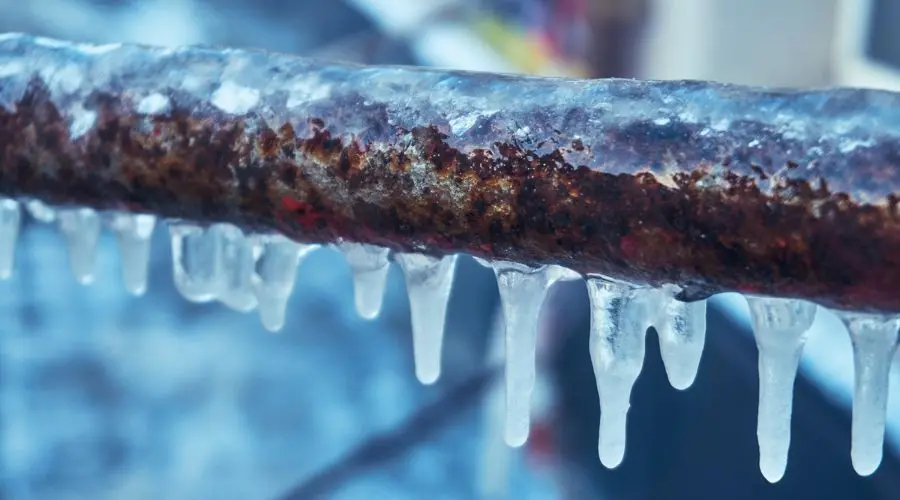
 Frozen pipes are bad for several reasons. For one thing, a frozen pipe won’t be able to provide running water. Depending on which pipes have frozen, the home may be without running water until the pipes thaw – which could take days. That means no showers, faucets, and working toilets; a chilling prospect indeed.
As if that weren’t bad enough, freezing can make a pipe burst or leak. The expansion of the ice inside the pipe, combined with the increased pressure that results from that expansion, can cause the pipe to rupture. When frozen pipes burst, the ensuing deluge of water can cause extensive damage to the home in a very short amount of time.
Pipe Insulation: The First Line of Defense
 Whether it results in a burst pipe or a house without water, pipe freeze must be avoided. Installing pipe insulation is the most effective (and permanent) way to prevent frozen pipes. Insulation for pipes is made from various materials, including foam, rubber, fiberglass, mineral wool, and foil. It is generally inexpensive and easy to install.
Installing pipe insulation is particularly important in areas outside the home’s insulated envelope, such as an attic, crawlspace, garage, or unfinished basement, since the pipes in these areas are more exposed to the elements. Insulation will help the water in the pipes retain its heat. This will help prevent freezing but can also help reduce water heater usage by minimizing heat loss between the water heater and the various hot water fixtures throughout the house.
More Ways To Prevent Frozen Pipes
On top of insulating the pipes themselves, homeowners can add insulation to those areas mentioned above (attics, crawlspaces, etc.). This will add an extra layer of protection against the cold and may even help lower heating costs. For a less comprehensive solution, homeowners can wrap heating cables or heat tape around pipes in these areas. These are essentially electric heaters for pipes, and while effective at keeping pipes warm, they consume electricity and need to be replaced periodically.
Homeowners should also keep their thermostats set to 55 degrees (F) or higher during the winter months, even if they’re away on vacation – the warmer the home, the more radiant heat will reach the pipes and keep them warm. It’s also a good idea to leave faucets turned on to a drip during sub-freezing temperatures. The continuous flow of water will help prevent pipes from freezing, and having the faucet slightly open will help relieve pressure in case the pipes do freeze, potentially preventing a rupture.
Homeowners should also be sure to winterize their outdoor plumbing, which essentially involves turning off and draining all outdoor pipes and irrigation systems for the winter. If this isn’t an option, homeowners should put faucet protectors over their hose bibs, at the very least. And of course, for winterizing outdoor pipes or installing pipe insulation, it’s always best to consult a professional plumber to ensure the job gets done right!
About City Plumbing
For over 20 years, City Plumbing has been Philadelphia’s go-to resource for all things plumbing and HVAC. They are the proud recipients of several awards, including the Angie’s List Super Service Award and the BBB’s Torch Award for Ethics – they were even named the Best Plumbers in Philadelphia by Expertise.com. They always provide competitive up-front pricing, 24/7 emergency service, and a 100% satisfaction guarantee, so don’t hesitate to call City Plumbing for burst pipe repair and plumbing winterization in Philadelphia, PA!
)
Distribution Links +
- lifestyle.mykmlk.com
- lifestyle.3wzfm.com
- lifestyle.southernsportstoday.com
- lifestyle.thepodcastpark.com
- lifestyle.680thefan.com
- lifestyle.xtra1063.com
- lifestyle.953hlf.com
- lifestyle.rewind1019.com
- lifestyle.us983.com
- lifestyle.countrylegends1059.com
- lifestyle.967wshv.com
- lifestyle.1045thedan.com
- michigan.yournewsnet.com
- lifestyle.earl983.com
- lifestyle.maverick1023.com
- lifestyle.magic979wtrg.com
- lifestyle.1077lakefm.com
- lifestyle.kbew98country.com
- lifestyle.kccrradio.com
- lifestyle.capitalcityrock.com
- lifestyle.current943.com
- lifestyle.thedam.fm
- lifestyle.hotcountry931.com
- lifestyle.pierrecountry.com
- lifestyle.kotaradio.com
- lifestyle.q923radio.com
- lifestyle.kynt1450.com
- lifestyle.all80sz1063.com
- lifestyle.myeaglecountry.com
- newsnetmedia.com
- atlanta.newsnetmedia.com
- augusta.newsnetmedia.com
- austin.newsnetmedia.com
- boise.newsnetmedia.com
- buffalo.newsnetmedia.com
- https://smb.thetidewaternews.com
- https://smb.tryondailybulletin.com
- https://smb.winchestersun.com
- https://smb.farmvilleherald.com
- https://smb.salisburypost.com
- https://smb.shelbycountyreporter.com
- https://smb.smithfieldtimes.com
- https://smb.suffolknewsherald.com
- https://smb.thewashingtondailynews.com
- https://smb.thewetumpkaherald.com
- https://smb.cordeledispatch.com
- https://smb.lagrangenews.com
- https://smb.middlesboronews.com
- https://smb.roanoke-chowannewsherald.com
- https://smb.tallasseetribune.com
- https://smb.thepostsearchlight.com
- https://smb.valleytimes-news.com
- https://smb.lowndessignal.com
- https://pr.washingtoncitypaper.com
- https://smb.theleesvilleleader.com
- https://smb.prentissheadlight.com
- https://smb.beauregardnews.com
- https://pr.hattiesburg.com
- https://pr.walnutcreekmagazine.com
- https://pr.thembnews.com
- https://pr.stylemg.com
- https://pr.bradfordvillebugle.com
- https://pr.boreal.org
- https://pr.timesofsandiego.com
- https://pr.chestercounty.com
- https://pr.wncbusiness.com
- https://pr.ashlandtownnews.com
- https://pr.millismedwaynews.com
- https://pr.norwoodtownnews.com


)
)
)