
Let's Talk About Hydro Jetting

Hydro jet nozzle cleaning a sewer pipe with high-pressure water in muddy surroundings, showcasing City Plumbing's services.

What Is Hydro Jetting?

Many things can cause a disruption in a day, but a clogged sewer is one of the least expected and most inconvenient. Water backing up with the accompaniment of the unpleasant sewer aroma is not generally approached with a smile. Luckily, there are several ways to address a clogged sewer line, and one of the fastest and most effective is hydro jet drain cleaning. Hydro jetting not only blasts through most sewer line clogs of any size and consistency but also leaves your pipes completely cleaned and rid of damaging substances that could be sitting on the linings of the pipes. This article will break down the hydro jetting process and discuss the advantages of this effective drain-cleaning method.

Does It Work With All Sewer Line Clogs?

hydrojettingHydro jetting is true to its name. It involves blasting a high-pressure, 4,000 PSI stream of water through the interior of water pipes to clear them of any blockage or sewer line clogs completely. Hydro jet cleaning is best used for overgrown tree roots that may be causing a clogged sewer line or to clear out sludge and grease buildup in the pipes.

Hydro jetting sounds fun and easy, but simpler methods can be tried before opting for the big guns, especially with smaller or less severe blockages. A drain snake or a plumber’s snake are two great options to effectively remove a sewer line clog. These will remove debris from a pipe and get things flowing properly again. Drain augers are another great way to break down forceful blockages such as tree roots. These methods are highly effective at removing larger objects but, unfortunately, do not address sludge and grease buildup that could cause slow draining. Because of this, hydro jetting is generally the best method for well-rounded drain cleaning maintenance.

Is It Safe?

To put it simply, yes. To put it not so simply, no. Hydro jet drain cleaning is safe with almost any pipe material, including PVC and cast iron. However, potential issues could arise with older pipes. Pipes that are overdue for maintenance or replacement are more fragile and prone to damage from the high-powered nature of this drain cleaning process, which could ultimately lead to a pipe rupture. It’s highly recommended to contact a professional to properly assess whether or not the pipes in the home are up for the challenge.

What About the Benefits?

tree roots Hydro jetting isn’t just for cleaning existing sewer line clogs but also a highly effective preventative maintenance option. This drain-clearing method is a power wash for the entire sewer line system. Not only does it remove large blockages, but it also gives your pipes a desperately needed clean slate, keeping things running smoothly all year long. Scheduling routine drain cleaning maintenance now prevents avoidable disruptions in the future.

About City Plumbing

With more than 20 years of expertise, City Plumbing is one of Philadelphia's most trusted plumbing services. They do not use subcontractors, meaning you only work with the owner or a hand-selected team member, giving the entire experience a caring and genuine touch. Call City Plumbing today to schedule a hydro jetting service today!

Got Questions About Heat Pumps? We've Got Answers!

Modern air conditioning unit on a brick wall with a potted plant, showcasing City Plumbing’s heating and cooling solutions.

Heat Pump FAQs

Most homes in the country are heated with traditional centralized furnace heaters. They have been around the longest and have provided consistent indoor heating for decades. Still, for some time now, new technology in indoor heating has been developing and experiencing a resurgence in popularity as more homeowners look for cost-saving heating measures without sacrificing quality – this technology is the heat pump system.

Heat pumps have been around since the 1850s and were used to heat homes around the 1960s. Still, this technology has gained much traction for domestic use because of a renewed interest in environmentally friendly heating options. In this regard, heat pumps deliver a lot of bang for the buck. Not only do heat pumps use up less energy compared to gas furnaces, but they also lower carbon emissions by up to 75%. But how do heat pumps achieve this eco-friendly, energy-saving feat? 

What Is a Heat Pump, Exactly?

Instead of generating heat, a heat pump transfers heat from one place to another. In the summer, it uses this concept to cool indoor air by moving heat outside, while it does the opposite in the winter to keep homes warm and comfortable. While there may be different kinds of heat pumps similar to the different types of furnaces, there are only two sources from which heat pumps gather heat: from the ground or the air. Either way, ground-source or air-source heat pumps can be installed at home as a ducted heat pump, a ductless heat pump, or a mini split heat pump. 

Advantages of Heat Pump Installation

air quality To understand why heat pumps are becoming so popular lately, one need not look further than the benefits homeowners can enjoy when opting for heat pump installation.

  • Energy bill savings - A heat pump allows homeowners to save on utility bills. Being more energy efficient than gas or electric heaters allows it to lower energy consumption and energy costs.
  • Better safety ratings - Without fuel storage or delivery systems typical of gas furnaces, heat pumps are safer to operate at home.
  • Lower carbon emissions - Heat pumps are known to lower carbon emissions by as much as 75%, with the most emission reductions possible when a home gets its electricity from clean sources such as wind, solar, or geothermal energy.
  • Can heat or cool - Heat pumps can be used for heating and cooling, allowing homeowners to repurpose their heat pumps as the seasons change.

How To Tell When Your Heat Pump System Is In Need of Repair

heat pump service While heat pumps are meant to last as long as a decade or two, which is about the same lifespan as a traditional gas furnace, they do and will break down occasionally. The trick is to catch these problems early and repair the heat pump as soon as possible so that these problems do not blow out of proportion.

Homeowners who notice that their heat pumps have a malfunctioning or broken motor, thermostat, or starter capacity should get their systems checked. Timely maintenance to prevent frozen heat pump coils, low levels of refrigerant, and mechanical issues will also go a long way to keep heat pumps in great condition and running smoothly throughout the winter season.

About City Plumbing

City Plumbing is a reliable plumbing services provider in Philadelphia and its surrounding neighborhoods. Their flat-rate pricing, 24/7 service availability, and true satisfaction guarantee all speak to their dedication to providing the best service to the people in their community. They have a team of trusted technicians equipped with fully stocked trucks and use the latest technology to ensure that they provide the right solutions on the first try. Call them today for heating service in Philadelphia, PA.

Common Questions About Trenchless Pipe Repair

Lush forest with large tree roots and trenchless pipe, showcasing City Plumbing's efficient plumbing solutions.

Wondering What Trenchless Repairs Are?

Trenchless pipe repair is a much less invasive method of repairing or replacing damaged water or septic pipes. Trenchless sewer line repair eliminates the massive digging typically associated with pipe repair. Plumbers can identify the problem(s) and develop a plan of action by accessing pipes through one or two access points.

How Are Trenchless Repairs Made?pipe

Trenchless repair is performed by first creating an access point in the faulty or damaged pipes. Workers then insert a sewer camera to assess the damage. Most, if not all, of the repairs will then be made within the existing pipes and underground.

Trenchless repair involves pulling a resin-filled liner through the damaged portions of the pipe. The liner is inflated to hold the resin inside the lines, and heat is applied to accelerate hardening. Once the resin has hardened, the liner will be flush with the existing pipes, and the pipes will be solid without reducing flow. This method is commonly referred to as Cured-In-Place Pipe (CIPP).

Trenchless replacement involves underground removal and replacement of the pipes. Plumbers insert a cone-shaped head into the damaged pipe and push it through. As it progresses, the head bursts the pipe, and an expander follows, creating a cavity. The new pipe is attached, pulled through, and replaces the old pipe.

What Repairs or Replacements Are Made Using Trenchless Methods?

One can use trenchless sewer line replacement and pipe repair to fix various plumbing issues. One of the most common septic pipe issues is blockage caused by tree roots entering the pipes. Trenchless repair professionals can remove the blockage and repair or replace the line(s) much more efficiently than traditional methods.

Plumbers also use trenchless repair to correct minor pipe misalignment, corroded pipes, and cracks in clay, lead, plastic, and cast-iron pipes. 

save Why Use Trenchless Repair?

Trenchless repair is a much less invasive way to repair or replace damaged or defective pipes. It provides long-lasting results with cost-saving advantages.

Cured-In-Place Pipe (CIPP) is very popular for sewer line rehabilitating and is an effective way to repair potable water pipes. This method lasts up to 50 years, can positively affect water flow, and may save costs. Although some have noted the liner put in place may slightly reduce the diameter of the pipe, the smoothness of the liner should improve water flow. As with most trenchless repairs, when plumbers use CIPP, the property and landscaping repair costs are significantly reduced.

Plumbers use pipe bursting when complete pipe replacement is desired. There is little to no need to survey the area before beginning as pipe bursting replaces old pipe within the existing bore. Homeowners save money and time because there is no need to remove and dispose of the old line or have extensive property damage repaired after plumbing repairs are made.

One should note that trenchless plumbing also reduces costly repairs to sidewalks and driveways. These can be the most expensive repairs commonly associated with pipe repair or replacement.

About City Plumbing

City Plumbing has homeowners covered! Whether it's to reverse a problem caused by previous contractors or to prevent future issues. City Plumbing has licensed HVAC technicians and full-time licensed master plumbers on staff. Call them today for all plumbing services in Philadelphia, PA.

What Everyone Should Know About Emergency Heater Repair Services

Bold monochromatic image featuring the word "merge," symbolizing City Plumbing's emergency heater repair services for winter.

Emergencies Can Happen When You Least Expect

The holiday season is here, and icy winter weather is already descending on many parts of the country - and Pennsylvania is among the states that always seem to get hit the hardest. During the harsh winter months, no resident of the Keystone State can afford to go without heat for very long. But when the furnace or the heat pump decides to break down in the middle of the night, that's exactly the dreadful situation they'll find themselves in. Here's a brief guide to help homeowners stay safe, warm, and calm in the event of a heating emergency.

What Constitutes a Heater Emergency?

Any issue with a home's heating system that poses an immediate risk to people or property should be considered an emergency. Some heater malfunctions have the potential to severely damage the unit itself if the heater continues to run in such a state - such as a dry or loose bearing in the blower assembly or a cracked heat exchanger. A heater that's making loud, unusual sounds like banging or metallic shrieking may be on the brink of destruction.

Some heater issues present dire health risks and require swift intervention. On a frigid winter night, a heater failure can make a home's indoor temperature drop rapidly, putting everyone inside at risk for hypothermia or other illnesses. A leaky exhaust vent or gas line can poison the home's air, and the latter may also result in a devastating explosion or fire. Even an electric furnace can catch fire due to faulty wiring or overheating. 

What To Do Before the Technician Shows Up

HVAC technician in blue uniform and cap smiling from inside service van, representing emergency heating repair services.

If the heater is smoking, emitting a burning smell, or making loud and unnatural noises, it should be shut off completely, if this can be done safely (flipping the circuit breaker is usually best). If the smell of gas is present, the home should immediately be evacuated, and a gas company should be called. Then the trick is to find a warm place to wait until the situation is resolved.

Likewise, if the heater fails and the situation calls for a repair technician rather than the fire department or gas company, the most important thing is keeping the family warm. If the home has no fireplace, it's best to choose one room in the house (preferably near the center) to hole up in, equipped with plenty of warm clothes and blankets.

Tips To Help Prevent Future Emergencies 

Regular maintenance is truly the best way to prevent an unexpected heater crisis. It's best to get it taken care of before the winter chill creeps in, but if it wasn't done in autumn, there's no time like the present. Unsurprisingly, heaters typically break down in the middle of winter, and it's almost always due to insufficient maintenance. A pro can address any latent issues before they have a chance to develop into something serious.

Wooden blocks spelling "PREVENT" on a background of lettered tiles, emphasizing the importance of preventive maintenance for heaters and plumbing systems.

Since a healthy heater can still be knocked out by a power outage or other large-scale crisis, it doesn't hurt to invest in a portable space heater. Homeowners should also see that the carbon monoxide and smoke detectors work properly and make sure the fire extinguisher is handy and up to date.

About City Plumbing

Philadelphia's City Plumbing is a full-service plumbing & HVAC company with over 20 years of award-winning service. Their licensed and insured technicians are punctual, friendly, and fully equipped for any job. They provide around-the-clock emergency service, up-front pricing, and a rock-solid satisfaction guarantee. Call now for amazing furnace services!

Facts About Sprinkler Stop-And-Waste Valves

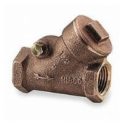
Bronze valve fitting with complex design, essential for sprinkler stop-and-waste valve maintenance at City Plumbing.

Understanding Your Sprinkler System

Most homeowners with a lawn in the United States have an installed sprinkler system. If there wasn’t one, the grass would be dead and yellow all through the summer. Even though so many Americans own sprinkler systems, how many of them know how they work?

How many know the names of all the parts of a sprinkler. For example, what is a stop-and-waste valve? This article will not only define a stop-and-waste valve but it will also explain where it is and how it works. It will also discuss the costs of not taking care of your plumbing system.

What Is a Stop-And-Waste Valve?

what are waste valvesSo, what is this valve? The stop-and-waste valve is the valve in your sprinkler system that allows you to turn off your sprinkler system without turning off all the water on your property, like in your house.

The valve also works to drain water from the irrigation sprinkler system while not in use to prevent pipes from bursting due to water freezing in them during the winter. This process of draining water is also called wasting, therefore the “stop-and-waste” valve.

Basically, it can also be called the sprinkler shut off valve. This valve usually consists of a two-way valve with a knob on the top so you can turn it off and on. Most valves today are made of copper.

Where, and How, to Use It

Your shut-off valve is usually located four to five feet underground so it can be a part of the water pipe system. That hole in the ground with the plastic covering on it located at a random location in your yard? That’s the valve. Most people will usually only turn the valve twice throughout the year.

where

The first time is during the spring so you can use your sprinklers. The second time is in late autumn early winter when you no longer need to water your yard. Since it is located so far underground, you will need a T-bar, which is two bars stuck together in a capital T shape, to turn the knob on and off.

The Price of Problems

sprinkler stop and waste costA lot of problems can arise if your stop-and-waste valve isn’t working correctly. First off, if the water is not drained from your sprinkler pipes before winter, those pipes are likely to burst because of the water that has frozen in them.

Also, if water is leaking out of your valve, the area of your lawn surrounding the valve could go dead because of overwatering.

Not only that, but your bills are sure to increase because the leaking water and the water in the area around the valve might make it harder for you to use the T-bar to turn the valve off.

Most of these plumbing emergencies would occur if your valve has become worn. Most valves are known to last twenty to thirty years after being installed. However, this is for high-quality valves.

Low-quality valves are known to have the nob snap off while turning it with the T-bar, which would also mean you can’t use the valve. It’s always a good idea to work with your local plumbing company to ensure everything is working properly.

About City Plumbing Philadelphia

If your stop-and-waste valve needs fixing, City Plumbing Philadelphia is the company to call. Their available services not only aim to provide any of your plumbing necessities, but they can also handle any heating and air conditioning needs you have. They guarantee your satisfaction.