


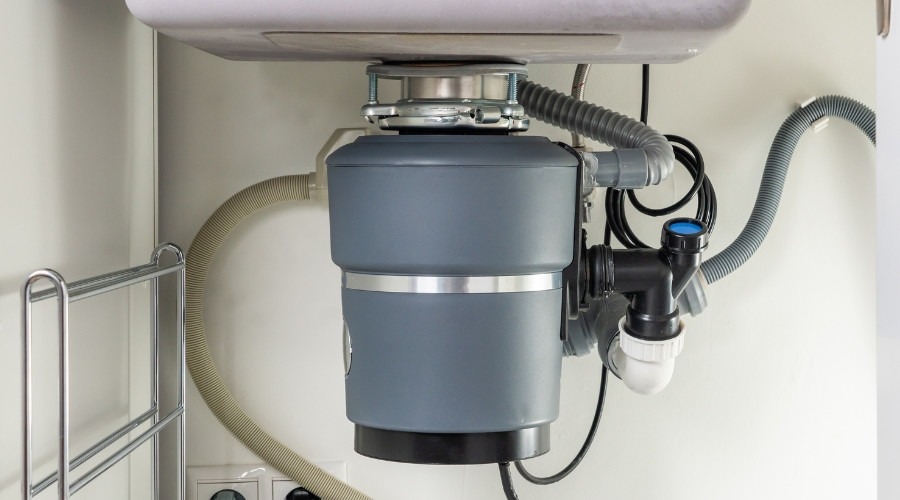
How to Care for the Garbage Disposal and Prevent Clogs
Few kitchen frustrations compare to an appliance that suddenly quits. To keep a garbage disposal running smoothly, only a few smart habits are required. The dreaded grinding sound followed by silence can turn into an expensive fix, but simple maintenance goes a long way. With consistent care, it’s easier to prevent a clogged garbage disposal, cut odors, and keep the sink draining freely. These practical tips help protect the unit and maintain a clean garbage disposal for the long haul.
Be Careful What Goes Down the Disposal
 A garbage disposal is not a catch‑all trash solution, and the wrong items can trigger jams, worn components, or a clog that can lead to a stubborn backup. Grease, fats, and cooking oils harden inside pipes and act like glue, trapping debris that later contributes to a sewer line clog or even a clogged sewer line. Coffee grounds can gather into a dense sludge, while eggshell fragments and sediment cling to internal surfaces and drains rather than “sharpening blades,” a persistent myth. Starchy foods such as pasta, rice, and potatoes swell with water and create paste-like blockages. Fibrous produce—celery strings, corn husks, asparagus ends—can wrap around the grind plate and impellers, encouraging stalls and persistent garbage disposal humming without effective grinding.
Safer choices include small amounts of soft, non-fibrous scraps that rinse easily away with ample cold water. When in doubt, place problematic leftovers in the trash or compost to limit wear on the appliance and downstream plumbing. If repeated jams occur or if the system trips frequently and requires pressing the garbage disposal reset button, the unit may need professional attention. Recurring faults, leaks at the housing, or damaged internal components can indicate the time has come for garbage disposal repair or, in some cases, full garbage disposal replacement.
Use Cold Water and Ice
 Running cold water before, during, and after operation helps move waste efficiently and discourage residue from coating internal parts and drain lines. Cold water keeps fats firmer so the grind plate can break them into smaller particles, which then travel out of the chamber more effectively. Hot water may liquefy grease and allow it to redeposit farther along the line, increasing the odds of a clog later.
Periodic cleaning supports reliable performance and fresher odors. A handful of ice cubes can act as a gentle abrasive to dislodge stuck particles from the grind surfaces and chamber walls, helping to clean garbage disposal components without harsh chemicals. For an extra boost, ice made with diluted vinegar provides both mechanical scouring and light deodorizing as it melts. Avoid using hard, rigid objects or caustic cleaners that can damage seals and internal parts.
If the unit produces only a low hum instead of grinding, power it off immediately. A garbage disposal humming with no rotation may be jammed; consult the manufacturer’s instructions for safe steps, and use the garbage disposal reset button after clearing a minor obstruction. If humming persists, smoking occurs, or the breaker trips repeatedly, schedule garbage disposal repair to prevent motor damage and address any electrical or mechanical fault before it worsens.
Avoid Putting Too Much Down the Disposal at Once
Overloading is a frequent cause of performance problems. A garbage disposal works best with small, manageable portions rather than a full plate scraped in a single push. Large scraps should be reduced to smaller pieces and fed gradually so the chamber can process the material completely. This measured approach lowers the chance of stalls, clattering noises, and premature wear.
Adopt a simple routine: run cold water, start the appliance, feed small amounts slowly, allow a brief moment for grinding to finish, then flush with water for a short period after switching off. This sequence helps move particles beyond the trap and reduces lingering residue that can cause odors. Avoid forcing large or fibrous items into the chamber, as that habit increases the likelihood of a jam, other garbage disposal problems, or a sewer line clog.
Consistent misuse—like frequent overloads, grinding inappropriate materials, or ignoring sluggish drainage—can shorten service life and lead to recurring trouble. When the system struggles despite good habits, professional evaluation can determine whether a targeted fix will do or whether garbage disposal replacement is the more reliable option. Pairing regular care with sensible feeding practices keeps the appliance dependable and helps protect the connected plumbing from avoidable clogs.
About City Plumbing
City Plumbing offers top-rated plumbing and HVAC services in Philadelphia. Fully licensed, bonded, and insured, they provide the latest technology from trusted technicians. Call them today to schedule kitchen plumbing or garbage disposal repair services in Philadelphia, PA.
)

 The first thing to watch (or listen) for is if the garbage disposal makes strange sounds when turned on. A scraping, rattling, or grinding noise may be a piece of silverware or another hard object falling into the grinding chamber. Homeowners can look inside the chamber with a flashlight and carefully remove the object if they see one. If nothing seems to have fallen in, the sound may be due to a loose or damaged component, such as an impeller.
 If a bad smell comes from the garbage disposal or the kitchen sink drain, it usually indicates a clog or a buildup of nasty food waste and grime inside the grinding chamber. The latter can often be resolved by putting equal parts
 )