

Identifying Water Leaks in a Home

Tips To Help Find and Fix Water Leaks

Water leaks might seem like a minor nuisance, but they can quickly escalate into costly issues that threaten a home's structural integrity and inflate utility bills. Whether it's a sneaky drip under a sink or a hidden pipe problem within the walls, undetected leaks can waste thousands of gallons of water annually and lead to devastating damage, mold growth, and skyrocketing utility costs. On average, households lose nearly 10,000 gallons of water each year due to easily fixable leaks – enough to wash 270 loads of laundry. By learning to recognize the early signs of water leaks, homes can be protected, money saved, and water conservation efforts supported. This guide will explore practical ways to become a leak detective, catching and addressing these problems before they spiral out of control.

High Water Bills

bills Unexpectedly high water bills are often one of the first signs of a hidden water leak. A sudden spike in monthly water usage without any significant changes in household habits calls for investigating the possibility of a leak. Even a minor leak, like a dripping faucet or running toilet, can waste hundreds of gallons per month, leading to substantial increases in utility bills.

Addressing water leaks promptly is essential for both financial protection and maintaining a home's integrity. Unchecked leaks result in unnecessary expenses and can cause extensive structural damage, mold growth, and foundation issues. Professional plumbers can conduct thorough leak detection tests to pinpoint the source of the problem, potentially saving thousands of dollars in both water costs and future repairs. The longer a suspected leak goes unaddressed, the more costly the consequences.

Other Signs of a Leak

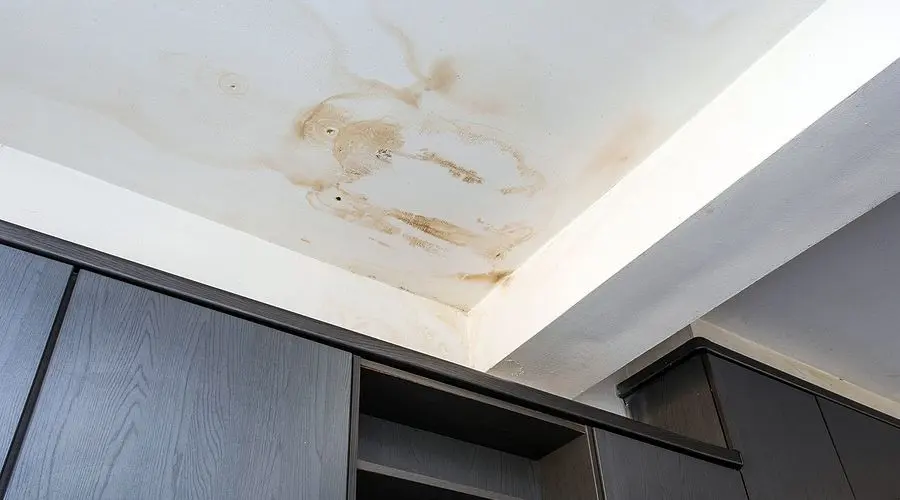
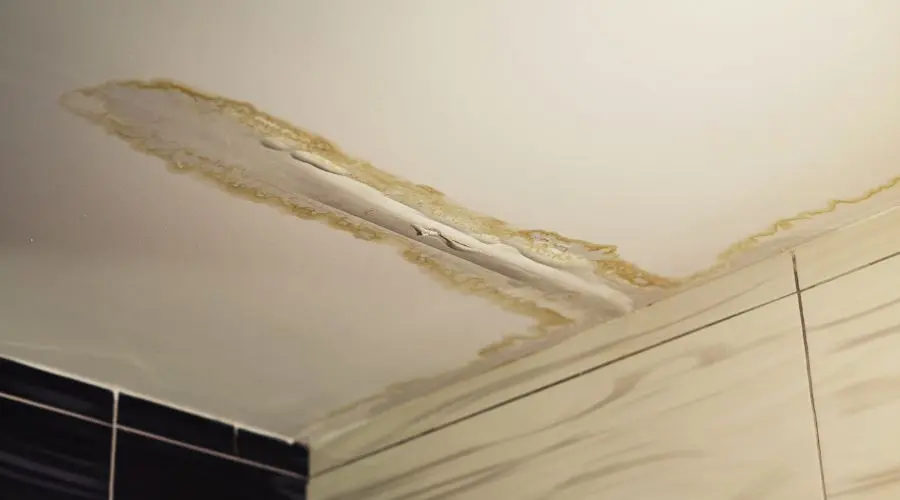
Water leaks can reveal themselves through various signs beyond an unexpected increase in the water bill. Visual indicators include water stains or discoloration on walls, ceilings, or floors, as well as warping or buckling of surfaces. Mold or mildew growth, particularly in typically dry areas, is another crucial warning sign. A musty odor, peeling paint or wallpaper, or unexplained puddles around the property can also indicate the presence of a leak.

Less obvious signs require careful attention to a home's behavior and conditions. Sounds like dripping or rushing water, especially when no fixtures are in use, should be investigated. A decrease in water pressure or inconsistent water flow from faucets might also signal a problem. Outside, unusually lush or green patches of grass can indicate underground leaks that create concentrated moisture areas. Foundation issues, such as cracks or settling, may also be the result of long-term water damage from hidden leaks. Even subtle signs like warm spots on the floor (from hot water line leaks) or the sound of continuously running water in a toilet can point to significant plumbing problems that need immediate attention.

Use the Water Meter
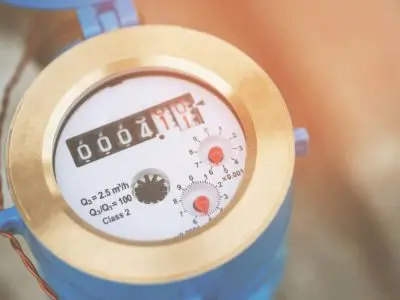
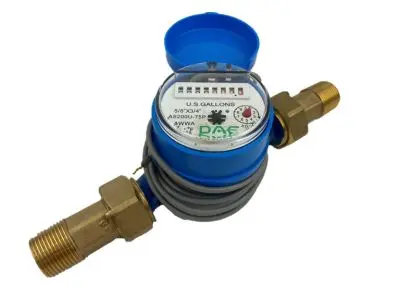
water meter A water meter is one of the most reliable tools for detecting water leaks. To test for a leak, turn off all water-consuming appliances and fixtures, including ice makers, washing machines, and irrigation systems. Record the exact reading on the water meter, then refrain from using any water for two hours. After this waiting period, check the meter again. If the reading has changed despite no water usage, a leak is likely present in the system.

For more precise detection, monitor the meter’s leak indicator, often a small triangle or diamond-shaped dial that rotates when water flows. If this indicator moves while all water sources are shut off, it signals water movement in the plumbing system, even if minimal. Larger leaks will cause noticeable movement in the main dial, while smaller leaks might only trigger the leak indicator. This method is especially useful for detecting hidden leaks that might otherwise go unnoticed until they cause significant damage.

About City Plumbing Heating and Air Conditioning

City Plumbing Heating and Air Conditioning is a reliable plumbing and HVAC company in South Jersey Philadelphia and surrounding areas. They offer clean and professional services, at straightforward prices. Call them for plumbing and HVAC services in Philadelphia, PA.

How Do Homeowners Identify Water Leaks

Tips To Catch Water Leaks Early

Water leaks are some of the most devastating problems in a home. While they may seem innocuous, records show that damage from water leaks is one of the biggest reasons for filing homeowner's insurance claims. The main danger of water leaks is that they can go unnoticed until massive damage is done. This makes early detection key to preventing ruined walls and flooring and flooding in the home. 

Spotting water leaks can be tricky because leaks can form at any point in a home's plumbing. Here are a few tips to help homeowners spot the signs of leaks using some techniques they may not know. 

Signs of Leaks 

billsHundreds of feet of piping run through the walls in any given home. Each foot of pipe and every joint represents a place where a leak can occur due to poor installation or wear and tear. Leaks can be particularly hard to spot when they form below slabs or behind walls. That's why homeowners should be vigilant about noticing the signs of leaks. The common signs of water leaks in a home are: 

  • Cool, moist concrete floors
  • Hissing or dripping noises with no obvious source
  • High water bills
  • Humidity problems
  • Soaked carpets
  • Squishy flooring
  • Mold growth on walls or flooring

With these problems, water has to come from somewhere. Most often, it comes from hidden leaks that are slowly causing damage to the home. When these signs are seen, the owner must call a plumber for an assessment of the damage. 

Monitor Monthly Bills 

Hidden water leaks, especially slab leaks, can be hard enough to spot that the leak may persist for a while before the problem is noticed. If homeowners aren't diligent in spotting the signs, it may take until the end of the month before the most obvious sign shows up in the mail. 

Water bills are a monthly headache that most homeowners don't pay enough attention to. However, water bills contain valuable information about the state of the plumbing system in the home for those willing to pay attention. When spikes in water usage are seen, it is one of the best indicators a homeowner could ask for regarding the presence of a water leak. Even the smallest leaks waste hundreds of gallons of water every month, enough to notice a spike in water costs. 

Use the Water Meter

water meterIf a water leak is suspected, it is recommended that owners call a plumber who specializes in leak detection right away. However, if they aren't certain, there is an easy test that anyone can do to gather more information about water leaks in their home. It's a good idea to do this test periodically for home maintenance. 

To perform the test, ensure no water is used in the home. Locate the municipal water meter and find the gauge. On the gauge, there will be a dial that indicates flow. If the dial turns, a leak is present in the home. 

About City Plumbing

City Plumbing has master plumbers and HVAC technicians who offer complete service to homeowners. They use the latest technology for installation and repairs and stand by their work. Call today for plumbing service in Philadelphia, PA. 

Watch Out for Gas Leaks This Summer

Beware of Dangerous Gas Leaks

With summer approaching, homeowners are readying their homes for gatherings with family and friends. An essential part of readying the home is to ensure that all proper safety measures have been taken to safely enjoy the festivities. One of the most important measures homeowners should take is to beware of gas leaks.

Gas leaks can be hazardous to homeowners and their families, but they can potentially be lethal if not addressed early enough. Homeowners should prepare themselves by understanding what gas leaks are, how to detect them, and what to do if they have a gas leak. Read on for all this information and more!

Why Gas Leaks Are Dangerous

Gas leaks are extremely dangerous to homeowners and their families, so they should be taken extremely seriously. One of the biggest reasons why they are so dangerous is their combustibility. If there is a leak in the home, a small fire or electrical spark can potentially lead to a huge explosion.

Additionally, prolonged exposure to natural gas can be highly detrimental to the health of those living in the home. Specifically, people can suffer from asphyxia (oxygen deprivation) and potentially die if they inhale large concentrations of this gas.

On a related note, homeowners may instead be dealing with carbon monoxide, a byproduct of natural gas that has not burned completely. Similar to the case with natural gas, inhaling this can lead to oxygen deprivation and potentially death.

How To Detect Gas Leaksbad smell

To avoid dangerous gas leaks, homeowners should understand the common signs. First and foremost, they should install gas leak detectors in their homes, as this is one of the easiest and most reliable ways to identify leaks.

In addition to investing in detectors, there are several other ways that homeowners can naturally detect a gas leak:

  • Check stovetops – homeowners should make sure gas stoves are fully turned off when not in use
  • Listen for sounds – hissing or whistling noises near gas lines may signal leaks
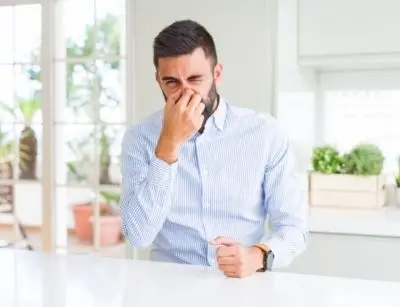
  • Pay attention to smells – rotten egg smells are commonly associated with natural gas leaks
  • Test with soap and water – cover the suspect area with this solution and see if bubbles appear, as this will signal a gas leak

These are some of the most common signs of gas leaks, so if homeowners detect any of these signs, they should take adequate safety measures to combat the gas leak immediately.

plumbers

What To Do if There Is a Gas Leak

If homeowners identify or even suspect a gas leak, they should have everyone evacuate the house immediately. After they exit the home, they should call 911 for help. Importantly, they should NOT make this call from inside the home, as this could potentially ignite the leaking gas.

After getting immediate help, they should call professionals to have a certified inspector address the situation. Professionals will know the best practices and how to handle an emergency like this to resolve the immediate problem at hand and figure out better safety measures long term.

About City Plumbing

City Plumbing of Philadelphia, PA operates with the motto of “We turn nightmares into pipe dreams.” Their team of expert technicians provides top-notch workmanship, flat-rate pricing, 24/7 services, and satisfaction guaranteed for each and every one of their customers. Call them for plumbing help today!

How Can Home Foundation Leaks Impact You?

The Right Way to Fix Foundation Leaks

Water leak damage is the number one cause of damage inside the home. Not only can it ruin electronics and other belongings, but it can also get expensive to repair if ignored. Most leaks go undetected for years before people notice a problem. By then, the damage could be extensive. When there is a leak under the foundation of a home, the damage can be even worse! 

In this article, expert plumbers share information about the impact of foundation leaks and how they're found. 

What is a Home Foundation Leak?Cracked Concrete Slab

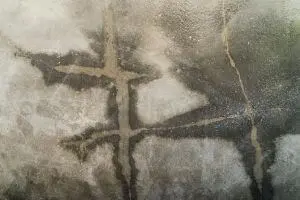
Foundation leaks occur when a pipe is damaged beneath the home, generally because of old age or construction damage. The soil around the foundation can swell with water, which applies extra pressure to the concrete foundation, causing it to crack and shift. Water then seeps through the cracks and causes extensive damage to the home. 

The more water, the more damage, and all it takes is a small crack. With a faulty foundation, just a little rainfall could cause devastating property damage. 

How do Plumbers Detect Concrete Foundation Leaks?Man Checking Gauges

Leak detection for a foundation leak can be a challenge because all the damage occurs under the home. However, there is some evidence that can alert homeowners of a foundation leak.

  • Wet floors
  • The smell of mildew
  • A higher than average water bill
  • The sound of running water
  • Raised flooring 
  • Wet carpet

These are all good reasons to call a professional. When a plumber comes out, he walks through the home to check for the indicators mentioned above, including visibly leaky pipes or water that wasn't shut off by the homeowner.

Then he determines the city's water pressure by gauging the pressure at the water hose after shutting off the water to the home. He will likely then document the pressure for the next test for leaks called the sewer-water test.

For the sewer test, the plumber uses a test ball that simulates a clogged drain. The plumber puts the test ball down the cleanout and fills the cleanout with water. The ball is inflated, simulating a clogged drain. If, after 15 minutes, the water level drops, a sewer leak is present.

For the water test, the plumber determines the city's water pressure by gauging the pressure at the hose bin. The plumber shuts off the water to the house, documents the city's water pressure, then waits 15 minutes to see if the pressure changes. If it does, a water line leak is present. When a leak is present, the next step is to locate and isolate the leak.

What tools Can Detect Leaks?

When a leak is present in the waterline, leak detection tools are key to finding the source. The main tools most plumbers use are:

  • Electronically Amplified Equipment 
  • Electromagnetic Pipeline Locators
  • Cameras

Detect Leaks Before It's Too Late!Comparing Time and Money

Waiting to take the initial steps in fixing a leaky pipe while it's still manageable will ultimately result in adverse consequences. New flooring isn't cheap. Not to mention the amount of damage that would require new flooring in the first place. Compiling issues leads to much higher future expenses.

Water damage is a safety hazard in more ways than just breathing in harmful mildew. The pressure from the extra water pushing against the home's foundation causes the house to shift. The shifting could cause the doors and windows not to work correctly.

If the problem isn't resolved, the house's resale value will decrease. Every weather event involving rainfall could be one step closer to irreparable damage.

About City Plumbing 

City Plumbing provides plumbing, heating, and air conditioning services to the greater Philadelphia area 24 hours a day, seven days a week. With more than 20 years of combined experience, City Plumbing is knowledgeable of their community's plumbing needs.