

Why a Water Filtration System Is Worth Installing

The Importance of Installing a Water Filtration System

Access to clean, safe drinking water is vital for any household. While municipal plants treat public supplies, pollutants can still enter through aging pipes or ground runoff. Opting for a professional water filtration system installation ensures the water remains free from unwanted substances, protecting both the residents’ health and the home’s plumbing infrastructure.

Beyond basic safety, relying on bottled water for clean drinking creates unnecessary plastic waste and recurring monthly costs. A permanent water filtration system eliminates this dependency, providing an endless supply of purified water directly from the tap. This shift not only supports environmental sustainability by reducing plastic use but also ensures the household water supply remains consistent, reliable, and convenient for daily use.

What Do Water Filtration Systems Do?

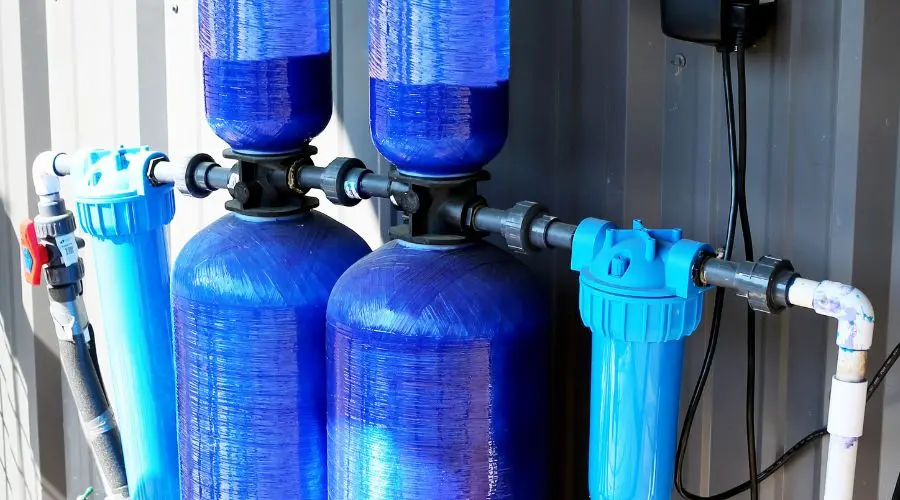
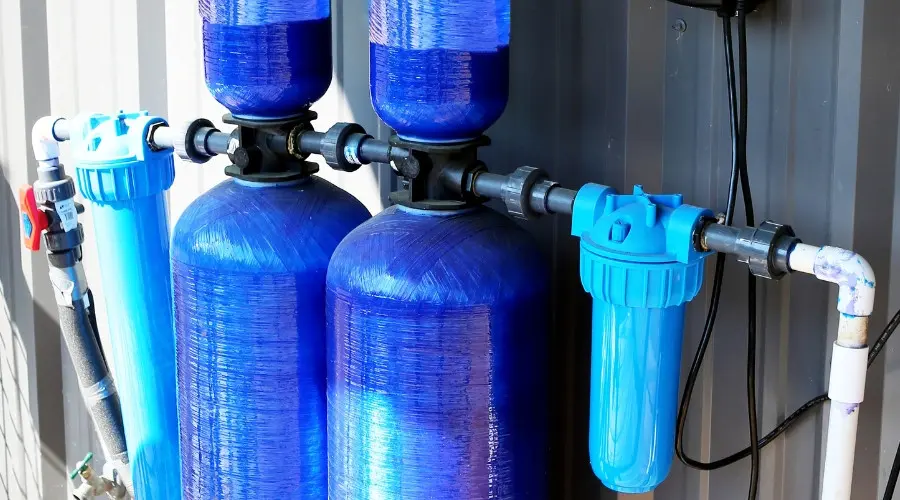
A water filtration system serves as a barrier against impurities. Whether functioning as a single-point unit or a comprehensive whole-house water filter, the device forces water through media layers designed to trap particles and neutralize chemicals. By actively removing sediment and bacteria, a water filter transforms tap water into pure, safe drinking and cooking water.

Understanding the specific mechanism is key to choosing the right unit. Some systems use activated carbon to adsorb organic compounds that affect taste and odor, while others use reverse osmosis to remove dissolved solids. Whether the goal is to target specific contaminants or provide general purification, modern engineering enables these devices to customize the treatment process to the local water conditions.

Benefits of Installing a Water Filtration System

water The value of a whole home water filter extends beyond better taste. By eliminating harmful contaminants like lead and chlorine, these systems reduce health risks and prevent skin dryness. Furthermore, water filter installation prevents mineral buildup in pipes, significantly extending the lifespan of appliances such as water heaters and dishwashers. This makes it a cost-effective choice that reduces the need for bottled water.

From a home maintenance perspective, reducing scale buildup is a major financial advantage. Hard water minerals can accumulate in plumbing fixtures, restricting flow and causing premature corrosion. By installing a water filter, the plumbing system remains clean and free-flowing, maintaining consistent water pressure and reducing the frequency of emergency plumbing repairs. This proactive measure protects the property value and minimizes the likelihood of expensive overhauls down the line.

Signs a Home Needs a Water Filtration System
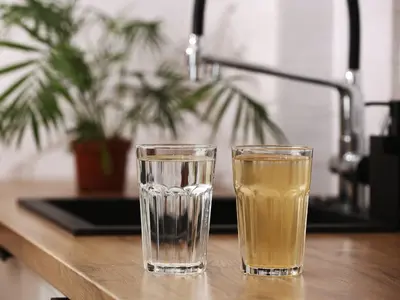
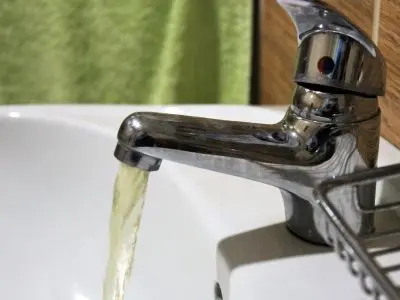
water Physical indicators often reveal compromised water quality. If water has a metallic taste, a sulfur smell, or a cloudy appearance, a water filter is likely needed. Rust stains in sinks or spotted dishes after a wash cycle are also common symptoms of hard water or iron issues. Observing these signs suggests that a water filtration system is necessary to restore cleanliness and safety.

The effects of poor water quality often extend to personal care and daily chores. Residents might experience persistently dry skin, brittle hair, or irritation after showering, which often indicates high levels of chlorine or hard water minerals affecting the body. Additionally, laundry may appear dull or gray over time, and bright colors might fade prematurely despite using quality detergents. These subtle yet persistent issues serve as daily reminders that a whole-house water filter could drastically improve the day-to-day living experience within the home.

About City Plumbing

City Plumbing is a trusted plumbing and HVAC company dedicated to making home repairs simple and stress-free. With experienced master plumbers and skilled HVAC technicians on staff, we deliver code-compliant, reliable service while providing homeowners with complete plumbing and indoor comfort solutions they can count on. Call them now for professional, fast, and friendly water filtration service in Philadelphia, PA

Distribution Links +

Benefits of Having a Water Filtration System at Home

The Importance of Installing a Whole House Water Filter

Installing a water filtration system has become vital to ensure safe and clean water for households. These systems offer an effective solution for removing contaminants, improving taste, and providing peace of mind regarding the water consumed daily. This blog explores compelling reasons to invest in a water filtration system, highlighting its benefits in enhancing health, protecting appliances, and contributing to a more sustainable lifestyle.

What Do Water Filtration Systems Do?

Water filtration systems are designed to enhance water quality by removing impurities and contaminants, ensuring that the water is safe for consumption and daily use. These systems pass water through a series of filters designed to target specific contaminants.

  • Contaminant Removal: Water filtration systems eliminate many impurities, including sediment, chlorine, heavy metals, pesticides, and bacteria. By doing so, they significantly improve both the taste and odor of the water, providing a more pleasant drinking experience.
  • Filtration Process: The filtration process typically involves several stages, each utilizing different materials and techniques. Common methods include activated carbon filters, which capture contaminants through absorption, and reverse osmosis systems, which use a semipermeable membrane to remove dissolved solids. Additional technologies, such as UV filtration, can be used to neutralize biological threats like viruses and bacteria.
  • System Types: Water filtration systems come in various forms, including point-of-entry systems that treat all the water entering a home and point-of-use systems designed for specific outlets like kitchen faucets or refrigerators. Each type caters to different needs, allowing homeowners to select a system that matches their specific requirements and water quality goals.
  • Benefits Beyond Contaminant Removal: Beyond purifying water, filtration systems also help prevent the build-up of scale in pipes and appliances, extending their lifespan and improving efficiency. This dual benefit ensures not only healthier water but also cost savings in maintenance and replacements.

By comprehensively treating water to eliminate harmful substances, water filtration systems provide a reliable and effective solution for ensuring clean, safe water that supports a healthy lifestyle.

Benefits of Water Filtration Systems

water Installing a whole-house water filtration system offers numerous advantages, providing comprehensive protection and improved water quality throughout the home. Here are some key benefits of integrating such a system:

  • Comprehensive Contaminant Removal: A whole-house water filter ensures that all water entering the home is treated, effectively removing contaminants like chlorine, sediment, heavy metals, and more. This ensures that every tap, shower, and appliance receives clean, safe water, reducing exposure to harmful substances.
  • Improved Health and Safety: With contaminants effectively filtered out, the risk of waterborne illnesses is significantly reduced. Clean, filtered water enhances overall health by providing a safer option for drinking, cooking, and bathing, supporting the well-being of the entire household.
  • Enhanced Water Quality: By eliminating unpleasant tastes and odors, whole-house water filters provide a more refreshing and enjoyable water experience. Whether it's tap water or water used for cooking, the improved taste and smell are immediately noticeable.
  • Protection for Plumbing and Appliances: Whole-house water filters help prevent scale build-up and corrosion in pipes and appliances. This protection extends the lifespan and efficiency of plumbing systems, water heaters, and household appliances, resulting in long-term cost savings on repairs and replacements.
  • Environmentally Friendly: By reducing the need for bottled water, a whole-house filtration system can significantly lower plastic waste and its environmental impact. This sustainable option contributes to a healthier planet while offering long-term financial savings.
  • Convenience and Peace of Mind: Once installed, a whole-house water filtration system requires minimal maintenance, offering consistent water quality without the hassle of using separate filters for each point of use. Homeowners can enjoy the peace of mind of knowing all incoming water is treated and safe.

Whole-house water filtration systems provide a practical and effective solution for ensuring clean, safe water throughout the home. Their benefits extend beyond health and safety, offering long-term financial savings and contributing to a more sustainable lifestyle.

Signs a Home Needs a Water Filtration System

sinkRecognizing the signs that a home may require a water filtration system is crucial for ensuring water quality and safety. Here are some common indicators that a water filter installation might be necessary:

  • Unpleasant Taste or Odor: If tap water has a distinct, unpleasant taste or odor, it could indicate the presence of chemicals such as chlorine, sulfur, or other contaminants. A water filtration system can effectively remove these impurities, providing better-tasting and odor-free water.
  • Visible Sediment or Discoloration: Cloudy water or the presence of particles when water is poured may suggest sediment, rust, or mineral deposits. These issues affect water quality and can lead to clogged fixtures and appliance damage.
  • Stains and Mineral Build-up: Hard water, characterized by high mineral content, can leave stains on sinks, tubs, and fixtures and cause scale build-up in water heaters and pipes. A whole-house filtration system can address these issues, preventing damage and maintaining the efficiency of plumbing systems.
  • Recurring Skin Irritations: Hard water or water containing specific chemicals can lead to dry, irritated skin and exacerbate conditions like eczema. Installing a filtration system can help alleviate these symptoms by providing cleaner, gentler water.
  • Frequent Appliance Repairs: If household appliances such as dishwashers and washing machines require frequent maintenance or repairs, it may be due to mineral deposits and scale build-up from untreated water. A filtration system can protect appliances and extend their lifespan by mitigating these issues.
  • Concerns About Water Contaminants: Awareness of local water quality issues, such as recent reports of contamination or naturally occurring minerals like lead, arsenic, or nitrates, can prompt additional water treatment to safeguard health.

By being attentive to these signs, homeowners can determine when to invest in a water filtration system. Addressing water quality issues not only enhances the safety and comfort of daily living but also provides long-term benefits for the home and its residents.

About City Plumbing

City Plumbing is a fully licensed, bonded, and insured home service company. Their technicians are highly trained and have undergone rigorous background checks and drug tests for your safety. Contact them today for water filtration services in Philadelphia, PA.

Don't Let Halloween Make Scary Things Go Wrong With the HVAC System

Lookout for Issues Coming From the HVAC System 

The best way to check for issues in an HVAC system is to schedule routine maintenance. Halloween time is generally when the weather starts to drop, so it’s important to schedule maintenance to ensure comfort during the cooler months. Hiring a professional to inspect a home HVAC system is the best way to guarantee that it’s being checked properly to avoid what can go wrong with a system. This article will cover the issues that can go wrong with an HVAC system and show why scheduling routine maintenance is important. 

Sign 1: A Carbon Monoxide Leak 

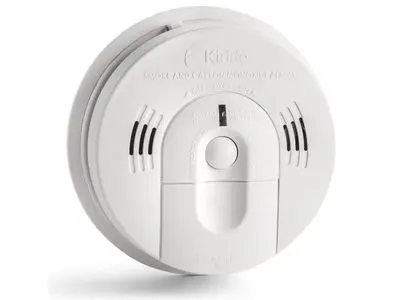
detectorsLack of regular maintenance can lead to a carbon monoxide leak which can be extremely dangerous and even deadly. Regular maintenance checks are important because carbon monoxide has no color or odor, so it can be a silent killer. While homeowners can install carbon monoxide detectors on the interior of their homes, one shouldn’t avoid regular HVAC maintenance. A system will try to operate regularly, but components within the system will eventually break down and lead to a gas leak. 

The not-so-obvious signs of a carbon monoxide leak were discussed, but there are also more apparent signs homeowners can look out for. These signs include gas odors, stale air inside the home, and burning smells. One can install carbon monoxide detectors, as mentioned earlier since they can save the lives of the people living in the house. It’s important to know the signs of a carbon monoxide leak and schedule regular HVAC maintenance. 

Sign 2: Mold Growth 

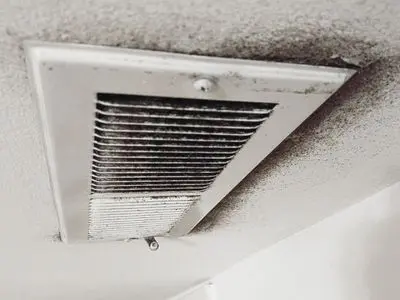
moldOne of the more scary issues that can stem from an HVAC system is mold growth. Mold growth can appear in several places, but it’s important to know that it can grow in an HVAC system. This is because the moisture inside the system provides a healthy area for mold to grow. After all, mold grows the most in wet conditions. The air ducts are one of the most common places that the mold will travel to. If the air ducts are older, there is a strong possibility that moisture can get through the gaps if they haven’t been sealed. The dirt inside these air ducts creates the perfect habitat for rapid mold growth. 

If regular HVAC maintenance isn’t scheduled, homeowners will notice mold growth if a musty odor is apparent. Another sign of mold growth can be allergic reactions like coughing and itchy eyes. While this might not seem like a huge concern, long-term mold exposure can cause continuing side effects like memory loss, insomnia, and pneumonia. Avoid mold growth by scheduling regular maintenance. 

Sign 3: Home Furnace Overheats 

Another sign that is more obvious than mold growth and a carbon monoxide leak is an overheating furnace. Older furnaces are more likely to overheat because they have been overworked. It’s important to schedule regular maintenance so that overheating doesn’t occur. Another sign of a furnace overheating is a burning smell. Over time, a furnace can accumulate heat and emit a burning smell throughout a house. As a furnace age, the system won’t work properly and cause overheating. If a homeowner experiences these signs, they should contact an HVAC technician as soon as possible. 

There are ways to prevent furnace overheats, like scheduling regular maintenance. Experts suggest hiring a professional to conduct a maintenance check at least once a year to ensure the system is operating properly. Another way that homeowners can prevent an overheating furnace is by regularly changing the air filter. Air filters that have not been changed can restrict airflow, which causes a furnace to overheat. 

About City Plumbing 

City Plumbing has been operating and providing services for nearly 20 years. These plumbers are clean, professional, and have strong experience in the field. Call them today for HVAC services in Philadelphia, Pennsylvania!