

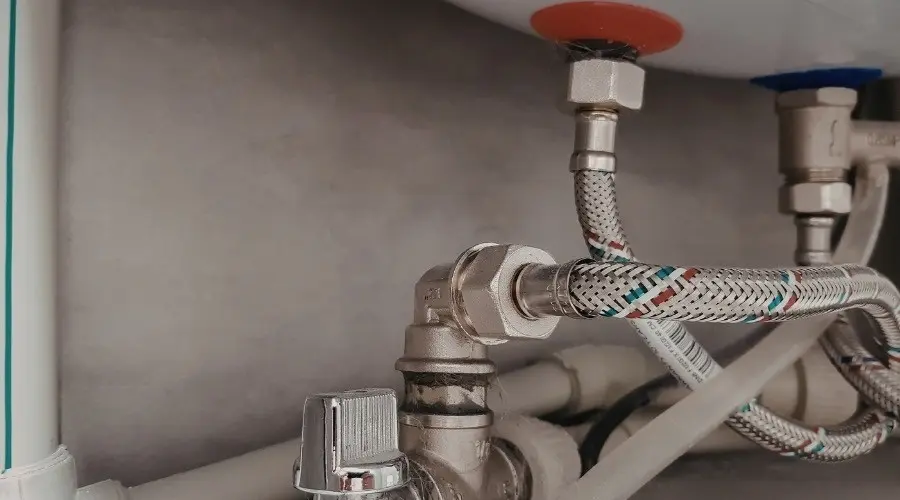
Advantages of Routine Plumbing Maintenance

The Importance of Annual Plumbing Maintenance

A home's plumbing system quietly works behind the scenes every day, and without regular attention, small inefficiencies can quietly grow into serious problems. Annual plumbing maintenance allows licensed plumbers to assess the entire system, catching hidden vulnerabilities before they become emergencies. Scheduling this service each year is one of the most cost-effective decisions a property owner can make for the long-term health of a home.

Improved Efficiency and Lower Utility Costs

save money Water leaks are notorious for hiding behind walls, under floors, and deep within pipe connections, going undetected for months while steadily inflating water bills. During a professional plumbing inspection, technicians use specialized tools and expertise to pinpoint these hidden leaks and repair them before the waste compounds further.

Addressing even minor leaks early makes a measurable difference in monthly water costs and keeps the plumbing system operating at peak efficiency.

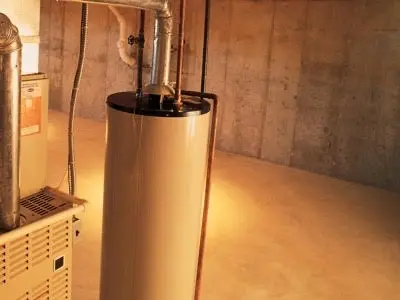
Water heaters are among the most energy-intensive appliances in any home, and without regular care, sediment and mineral buildup cause the unit to work harder than necessary. Routine water heater maintenance, including draining and flushing the tank, removes that buildup and restores the appliance to its most energy-efficient state. The result is a noticeable reduction in utility bills and a water heater that delivers consistent, reliable performance year-round.

When both the supply lines and the water heating system are running efficiently, the cumulative savings on energy and water costs become significant over time. Routine plumbing maintenance ties these two areas of efficiency into a single comprehensive service visit. Property owners who invest in annual maintenance often see the cost of the visit offset by the reductions reflected in their utility statements.

Reduced Risk of Costly Repairs
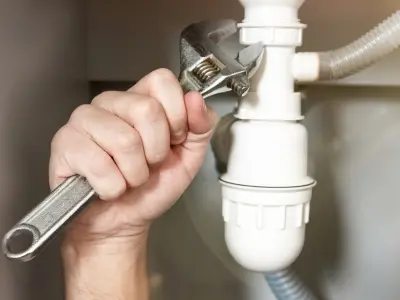
plumbing Every major plumbing failure begins as something small, a worn seal, a slow drip, or a pipe joint showing early signs of stress, and routine plumbing maintenance is the most reliable way to catch these warning signs before they escalate.

Professional plumbers are trained to identify the subtle indicators of developing problems that untrained eyes simply overlook. By addressing these minor issues during a scheduled visit, property owners avoid the far greater expense and disruption that comes with emergency plumbing repairs.

The cost difference between a preventive fix and a full-scale repair can be substantial, with emergency plumbing services often carrying premium pricing on top of extensive labor and material costs. During maintenance visits, plumbers can tighten fittings, replace aging components, and clear blockages that would otherwise build into serious clogs or burst pipes. Taking care of these details proactively keeps repair bills predictable and manageable throughout the year.

Beyond the financial savings, avoiding sudden plumbing failures also protects the home from the secondary damage that often accompanies them, such as water intrusion, mold growth, and compromised structural materials. Routine inspections create a record of the plumbing system's condition, giving homeowners and technicians a clear picture of what has been serviced and what may need attention in the coming year. This proactive approach to plumbing care transforms what could be a source of stress into a straightforward, manageable part of homeownership.

Extended Lifespan for the Plumbing

Pipes, fixtures, and water heaters all have finite lifespans, but neglect accelerates wear and corrosion, shortening their lifespans well before their time. Annual plumbing maintenance slows this deterioration by keeping components clean, properly sealed, and free from the pressure fluctuations and buildup that cause premature breakdown. A well-maintained plumbing system can serve a home for decades longer than one that goes without regular professional attention.

Corrosion is one of the most destructive forces in any plumbing system, quietly eating through metal pipes and fittings until a failure becomes inevitable. Routine inspections allow plumbers to monitor corrosion levels and apply protective measures or replace vulnerable sections before the damage spreads to surrounding components. Keeping corrosion in check preserves the integrity of the entire network and significantly delays the need for large-scale pipe replacement.

Water heaters benefit enormously from consistent maintenance as well, with regular flushing and anode rod inspections preventing the internal corrosion that leads to premature tank failure. Replacing a water heater ahead of schedule is one of the more costly plumbing expenses a homeowner can face, and routine care is the most effective way to delay that investment. When the full plumbing system receives consistent professional attention, property owners can plan and budget for replacements on a sensible timeline rather than reacting to unexpected failures.

About City Plumbing

City Plumbing is a professional plumbing, heating and air conditioning solutions company serving Philadelphia, PA, and beyond. They offer straightforward pricing, trusted technicians, and the latest technology. Call them today for water heater repair and installation in Philadelphia, PA.

Smart Choices When Comparing Gas and Electric Water Heaters

Pros and Cons of Common Water Heater Fuel Sources

When a water heater reaches the end of its life, selecting the next system becomes an important decision for comfort, safety, and long‑term costs. Most homes choose between a gas water heater and an electric water heater, and each fuel source brings different strengths and drawbacks. These differences affect operating expense, performance, and installation complexity. The sections below summarize how gas and electric models compare and highlight practical points that households should weigh before scheduling water heater installation or water heater replacement.

Gas Water Heater

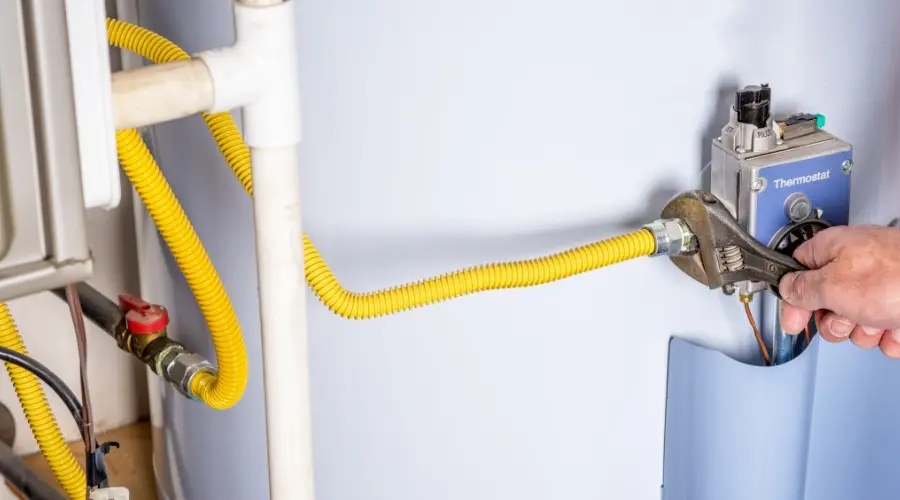
water heater A gas water heater burns natural gas or propane to heat water inside the tank. Many households appreciate that gas models often cost less to run and usually reheat hot water more quickly after baths, laundry loads, or back‑to‑back showers, which can be helpful for larger families.

However, a gas water heater introduces added safety requirements. Combustion creates exhaust gases that must be vented outdoors through correctly installed flues. Gas piping must also be carefully fitted and tested to reduce the risk of a gas leak. Because of these concerns, gas water heater installation is not a DIY project; licensed plumbers familiar with local codes and ventilation standards should handle every step.

Electric Water Heater

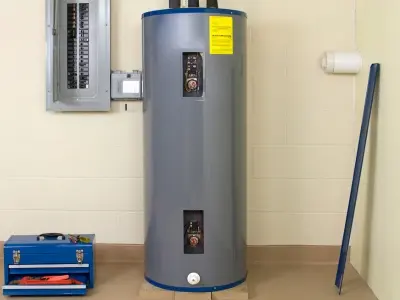
water heater An electric water heater relies on heating elements powered by electricity instead of an open flame. These systems are often simpler to install, particularly in all‑electric homes that lack gas lines. Upfront installation costs are typically lower, and there is no combustion by‑product, which reduces some safety concerns associated with gas appliances.

Electric units do have downsides. In many areas, electricity costs more than natural gas, so ongoing operation can be more expensive. Recovery time is often slower, which may matter for homes with high hot water demand. Another limitation is dependence on grid power; during a power outage, an electric water heater cannot heat additional water, leaving only the already‑heated volume in the tank.

Factors to Consider Before Installation

Several variables should guide the choice between gas and electric equipment:

  • Existing infrastructure: Homes with safe gas hookups and venting may find gas water heater replacement straightforward, while all‑electric homes may favor an electric water heater to avoid new gas lines.
  • Reliability needs: In areas prone to frequent power outages, a gas water heater may provide more consistent hot water, provided the ignition system can function during an outage.
  • Safety priorities: Households particularly concerned about combustion or the possibility of a gas leak may lean toward electric water heater installation, which eliminates on‑site fuel burning.

Balancing these considerations against household budget and hot water demand helps ensure that the selected water heater delivers dependable performance for many years.

About City Plumbing

City Plumbing is Philadelphia’s preferred contractor for reliable plumbing, heating, and air conditioning services. With prompt, friendly services from experienced and knowledgeable technicians, they offer true customer satisfaction on every job. Call them today to schedule water heater installation in Philadelphia, PA.

Distribution Links +

Why a Water Filtration System Is Worth Installing

The Importance of Installing a Water Filtration System

Access to clean, safe drinking water is vital for any household. While municipal plants treat public supplies, pollutants can still enter through aging pipes or ground runoff. Opting for a professional water filtration system installation ensures the water remains free from unwanted substances, protecting both the residents’ health and the home’s plumbing infrastructure.

Beyond basic safety, relying on bottled water for clean drinking creates unnecessary plastic waste and recurring monthly costs. A permanent water filtration system eliminates this dependency, providing an endless supply of purified water directly from the tap. This shift not only supports environmental sustainability by reducing plastic use but also ensures the household water supply remains consistent, reliable, and convenient for daily use.

What Do Water Filtration Systems Do?

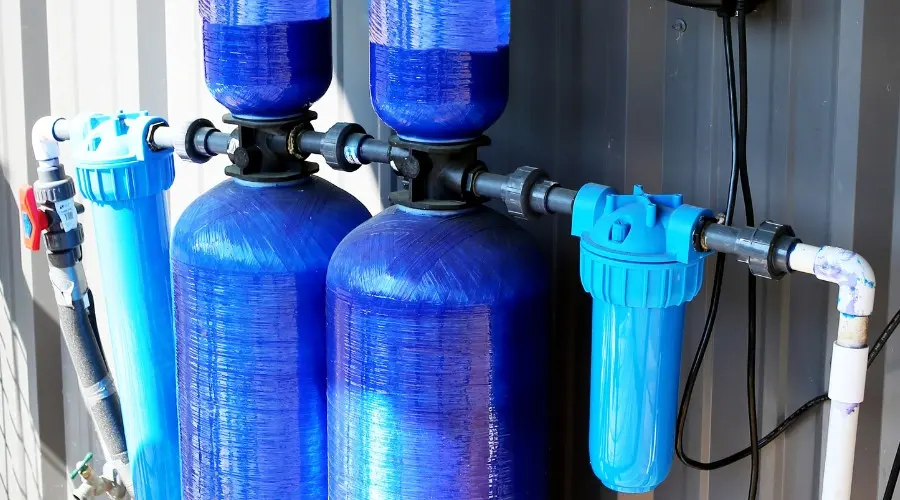
A water filtration system serves as a barrier against impurities. Whether functioning as a single-point unit or a comprehensive whole-house water filter, the device forces water through media layers designed to trap particles and neutralize chemicals. By actively removing sediment and bacteria, a water filter transforms tap water into pure, safe drinking and cooking water.

Understanding the specific mechanism is key to choosing the right unit. Some systems use activated carbon to adsorb organic compounds that affect taste and odor, while others use reverse osmosis to remove dissolved solids. Whether the goal is to target specific contaminants or provide general purification, modern engineering enables these devices to customize the treatment process to the local water conditions.

Benefits of Installing a Water Filtration System

water The value of a whole home water filter extends beyond better taste. By eliminating harmful contaminants like lead and chlorine, these systems reduce health risks and prevent skin dryness. Furthermore, water filter installation prevents mineral buildup in pipes, significantly extending the lifespan of appliances such as water heaters and dishwashers. This makes it a cost-effective choice that reduces the need for bottled water.

From a home maintenance perspective, reducing scale buildup is a major financial advantage. Hard water minerals can accumulate in plumbing fixtures, restricting flow and causing premature corrosion. By installing a water filter, the plumbing system remains clean and free-flowing, maintaining consistent water pressure and reducing the frequency of emergency plumbing repairs. This proactive measure protects the property value and minimizes the likelihood of expensive overhauls down the line.

Signs a Home Needs a Water Filtration System

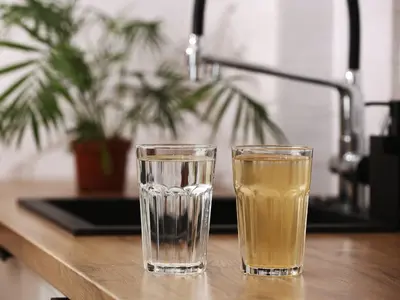
water Physical indicators often reveal compromised water quality. If water has a metallic taste, a sulfur smell, or a cloudy appearance, a water filter is likely needed. Rust stains in sinks or spotted dishes after a wash cycle are also common symptoms of hard water or iron issues. Observing these signs suggests that a water filtration system is necessary to restore cleanliness and safety.

The effects of poor water quality often extend to personal care and daily chores. Residents might experience persistently dry skin, brittle hair, or irritation after showering, which often indicates high levels of chlorine or hard water minerals affecting the body. Additionally, laundry may appear dull or gray over time, and bright colors might fade prematurely despite using quality detergents. These subtle yet persistent issues serve as daily reminders that a whole-house water filter could drastically improve the day-to-day living experience within the home.

About City Plumbing

City Plumbing is a trusted plumbing and HVAC company dedicated to making home repairs simple and stress-free. With experienced master plumbers and skilled HVAC technicians on staff, we deliver code-compliant, reliable service while providing homeowners with complete plumbing and indoor comfort solutions they can count on. Call them now for professional, fast, and friendly water filtration service in Philadelphia, PA

Distribution Links +

Tips to Help Keep the Garbage Disposal Running Smoothly

How to Care for the Garbage Disposal and Prevent Clogs

Few kitchen frustrations compare to an appliance that suddenly quits. To keep a garbage disposal running smoothly, only a few smart habits are required. The dreaded grinding sound followed by silence can turn into an expensive fix, but simple maintenance goes a long way. With consistent care, it’s easier to prevent a clogged garbage disposal, cut odors, and keep the sink draining freely. These practical tips help protect the unit and maintain a clean garbage disposal for the long haul. 

Be Careful What Goes Down the Disposal

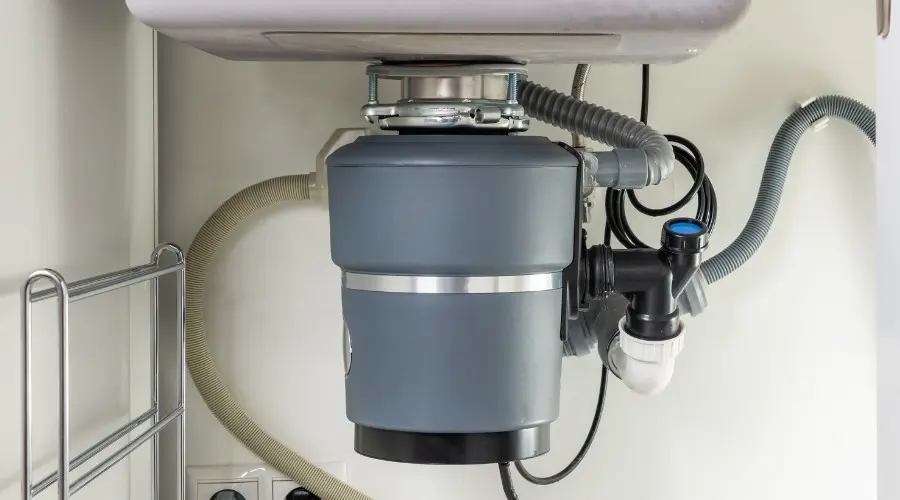
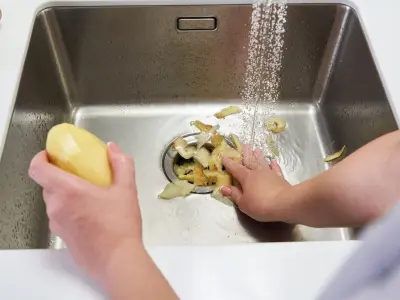
food A garbage disposal is not a catch‑all trash solution, and the wrong items can trigger jams, worn components, or a clog that can lead to a stubborn backup. Grease, fats, and cooking oils harden inside pipes and act like glue, trapping debris that later contributes to a sewer line clog or even a clogged sewer line. Coffee grounds can gather into a dense sludge, while eggshell fragments and sediment cling to internal surfaces and drains rather than “sharpening blades,” a persistent myth. Starchy foods such as pasta, rice, and potatoes swell with water and create paste-like blockages. Fibrous produce—celery strings, corn husks, asparagus ends—can wrap around the grind plate and impellers, encouraging stalls and persistent garbage disposal humming without effective grinding.

Safer choices include small amounts of soft, non-fibrous scraps that rinse easily away with ample cold water. When in doubt, place problematic leftovers in the trash or compost to limit wear on the appliance and downstream plumbing. If repeated jams occur or if the system trips frequently and requires pressing the garbage disposal reset button, the unit may need professional attention. Recurring faults, leaks at the housing, or damaged internal components can indicate the time has come for garbage disposal repair or, in some cases, full garbage disposal replacement.

Use Cold Water and Ice

food Running cold water before, during, and after operation helps move waste efficiently and discourage residue from coating internal parts and drain lines. Cold water keeps fats firmer so the grind plate can break them into smaller particles, which then travel out of the chamber more effectively. Hot water may liquefy grease and allow it to redeposit farther along the line, increasing the odds of a clog later.

Periodic cleaning supports reliable performance and fresher odors. A handful of ice cubes can act as a gentle abrasive to dislodge stuck particles from the grind surfaces and chamber walls, helping to clean garbage disposal components without harsh chemicals. For an extra boost, ice made with diluted vinegar provides both mechanical scouring and light deodorizing as it melts. Avoid using hard, rigid objects or caustic cleaners that can damage seals and internal parts.

If the unit produces only a low hum instead of grinding, power it off immediately. A garbage disposal humming with no rotation may be jammed; consult the manufacturer’s instructions for safe steps, and use the garbage disposal reset button after clearing a minor obstruction. If humming persists, smoking occurs, or the breaker trips repeatedly, schedule garbage disposal repair to prevent motor damage and address any electrical or mechanical fault before it worsens.

Avoid Putting Too Much Down the Disposal at Once

Overloading is a frequent cause of performance problems. A garbage disposal works best with small, manageable portions rather than a full plate scraped in a single push. Large scraps should be reduced to smaller pieces and fed gradually so the chamber can process the material completely. This measured approach lowers the chance of stalls, clattering noises, and premature wear.

Adopt a simple routine: run cold water, start the appliance, feed small amounts slowly, allow a brief moment for grinding to finish, then flush with water for a short period after switching off. This sequence helps move particles beyond the trap and reduces lingering residue that can cause odors. Avoid forcing large or fibrous items into the chamber, as that habit increases the likelihood of a jam, other garbage disposal problems, or a sewer line clog.

Consistent misuse—like frequent overloads, grinding inappropriate materials, or ignoring sluggish drainage—can shorten service life and lead to recurring trouble. When the system struggles despite good habits, professional evaluation can determine whether a targeted fix will do or whether garbage disposal replacement is the more reliable option. Pairing regular care with sensible feeding practices keeps the appliance dependable and helps protect the connected plumbing from avoidable clogs.

About City Plumbing

City Plumbing offers top-rated plumbing and HVAC services in Philadelphia. Fully licensed, bonded, and insured, they provide the latest technology from trusted technicians. Call them today to schedule kitchen plumbing or garbage disposal repair services in Philadelphia, PA.

Distribution Links +

When Is It Time for a Water Heater Replacement?

When Is a New Water Heater Needed?

Cold showers, lukewarm taps, or unexplained puddles near the tank often point to a system nearing the end of dependable service. Planning a timely water heater replacement helps stabilize water heating, protect finishes and flooring, and reduce the stress of emergency calls. Recognizing the common warning signs below helps you determine when a new unit and professional water heater installation will provide improved performance and peace of mind.

Temperature Issues

water Shifting or inconsistent temperatures are among the earliest clues that a water heater is struggling. When water alternates between too hot and too cool, internal parts may no longer regulate heat effectively. Sediment can settle in the tank and insulate heating surfaces, slowing recovery and reducing available hot water during normal routines. Electric models may exhibit worn heating elements, while fuel-fired systems can show burner or control concerns that affect steady output.

Another signal is hot water running out noticeably faster than it once did. As efficiency drops, the system may work harder yet deliver less consistent water heating to showers, dishwashing, and laundry. In many homes, these patterns grow more frequent as equipment ages. If temperature instability or shortened hot water supply becomes routine, evaluating capacity needs, fuel type, and placement can guide the choice of a replacement. A properly sized unit paired with careful water heater installation helps restore reliable performance and supports long-term efficiency.

Leaks

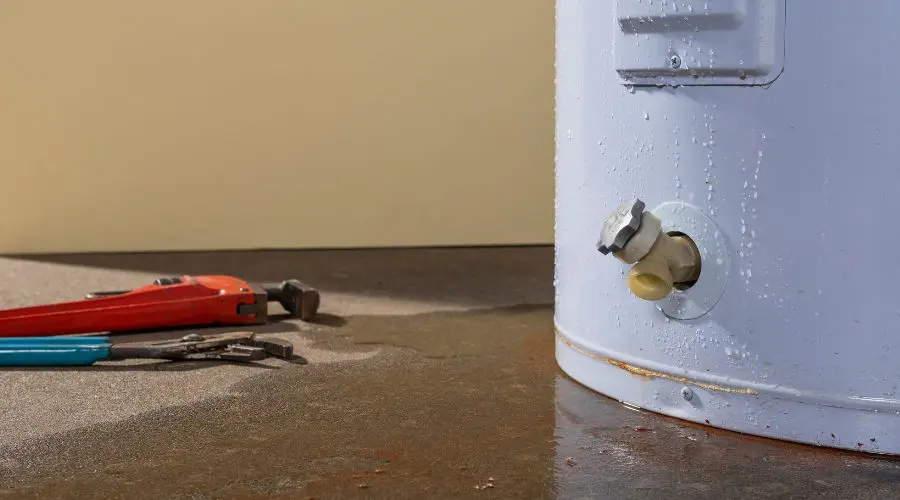
A leaking water heater calls for quick attention. Even small amounts of moisture at the base of a tank can indicate a developing water heater leak that may worsen unexpectedly. Often, water heater corrosion thins the tank walls from the inside, creating pinholes that allow water to escape. Because the storage vessel is sealed, a compromised tank generally cannot be repaired in a lasting, safe manner.

Signs commonly seen with a leak include persistent dampness, rust streaks, or mineral deposits around the bottom of the tank. Water traveling beyond the utility area can stain flooring, damage walls, and encourage mold growth. If the source is the tank rather than an external connection or valve, water heater replacement is typically the most practical solution to prevent sudden failure and higher repair costs. Following removal of the old unit, a professional water heater installation re-establishes secure connections, proper venting for a gas water heater or correct electrical setup for an electric water heater, and dependable operation.

Age and Corrosion

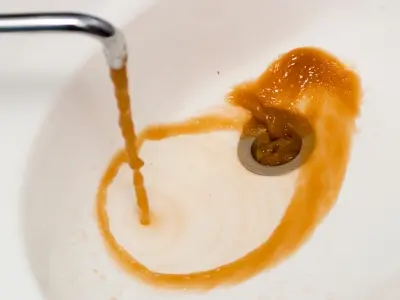
dirty water Wear from years of service eventually affects most storage-style systems. Rumbling or popping sounds, frequent resets, or steadily declining output suggest that components are tired and sediment has accumulated to levels that hinder performance. Recurring fixes at this stage often provide only temporary relief and can become less cost-effective over time.

Corrosion is an especially urgent concern. Rust-tinted hot water, a metallic odor, or visible rust on the jacket can indicate water heater corrosion progressing from the inside out. Once corrosion compromises the tank, the likelihood of a water heater leak increases. Corrosion around fittings and valves may also point to long-term moisture exposure or aggressive water chemistry. When age- and corrosion-related symptoms arrive together, moving forward with water heater replacement can help avoid sudden failures and restore stable water heating for the household.

Selecting the right next step can be handled within these decisions. Matching capacity to current demand, confirming gas or electrical requirements, and choosing a location with proper clearances all contribute to consistent results. During installation, technicians typically verify safety controls, update connections, and confirm that the system vents or powers correctly. These steps offer a clean slate for performance and help reduce early wear on the new unit.

Simple, ongoing care supports longevity after replacement. Periodic flushing where appropriate, monitoring for surface rust, and addressing minor issues promptly can slow the return of temperature instability and reduce the chance of a leaking water heater down the road. When visible corrosion, persistent leaks, or erratic temperatures are present, the balance often tips toward replacement rather than repeated repairs.

About City Plumbing

City Plumbing in Philadelphia, PA, is a leading plumbing and HVAC company with over 20 years of experience. They provide straightforward pricing and clean and professional services from trusted technicians. Call them today for water heater services in Philadelphia, PA.

Distribution Links +