


Pros and Cons of Common Water Heater Fuel Sources
When a water heater reaches the end of its life, selecting the next system becomes an important decision for comfort, safety, and long‑term costs. Most homes choose between a gas water heater and an electric water heater, and each fuel source brings different strengths and drawbacks. These differences affect operating expense, performance, and installation complexity. The sections below summarize how gas and electric models compare and highlight practical points that households should weigh before scheduling water heater installation or water heater replacement.
Gas Water Heater
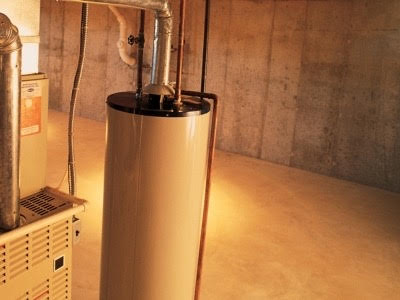 A gas water heater burns natural gas or propane to heat water inside the tank. Many households appreciate that gas models often cost less to run and usually reheat hot water more quickly after baths, laundry loads, or back‑to‑back showers, which can be helpful for larger families.
However, a gas water heater introduces added safety requirements. Combustion creates exhaust gases that must be vented outdoors through correctly installed flues. Gas piping must also be carefully fitted and tested to reduce the risk of a gas leak. Because of these concerns, gas water heater installation is not a DIY project; licensed plumbers familiar with local codes and ventilation standards should handle every step.
Electric Water Heater
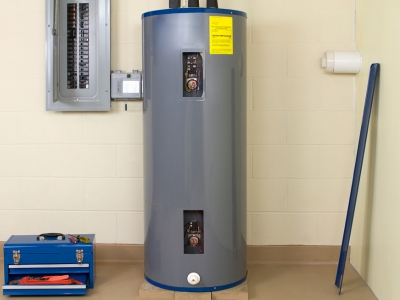 An electric water heater relies on heating elements powered by electricity instead of an open flame. These systems are often simpler to install, particularly in all‑electric homes that lack gas lines. Upfront installation costs are typically lower, and there is no combustion by‑product, which reduces some safety concerns associated with gas appliances.
Electric units do have downsides. In many areas, electricity costs more than natural gas, so ongoing operation can be more expensive. Recovery time is often slower, which may matter for homes with high hot water demand. Another limitation is dependence on grid power; during a power outage, an electric water heater cannot heat additional water, leaving only the already‑heated volume in the tank.
Factors to Consider Before Installation
Several variables should guide the choice between gas and electric equipment:
- Existing infrastructure: Homes with safe gas hookups and venting may find gas water heater replacement straightforward, while all‑electric homes may favor an electric water heater to avoid new gas lines.
- Reliability needs: In areas prone to frequent power outages, a gas water heater may provide more consistent hot water, provided the ignition system can function during an outage.
- Safety priorities: Households particularly concerned about combustion or the possibility of a gas leak may lean toward electric water heater installation, which eliminates on‑site fuel burning.
Balancing these considerations against household budget and hot water demand helps ensure that the selected water heater delivers dependable performance for many years.
About City Plumbing
City Plumbing is Philadelphia’s preferred contractor for reliable plumbing, heating, and air conditioning services. With prompt, friendly services from experienced and knowledgeable technicians, they offer true customer satisfaction on every job. Call them today to schedule water heater installation in Philadelphia, PA.
)
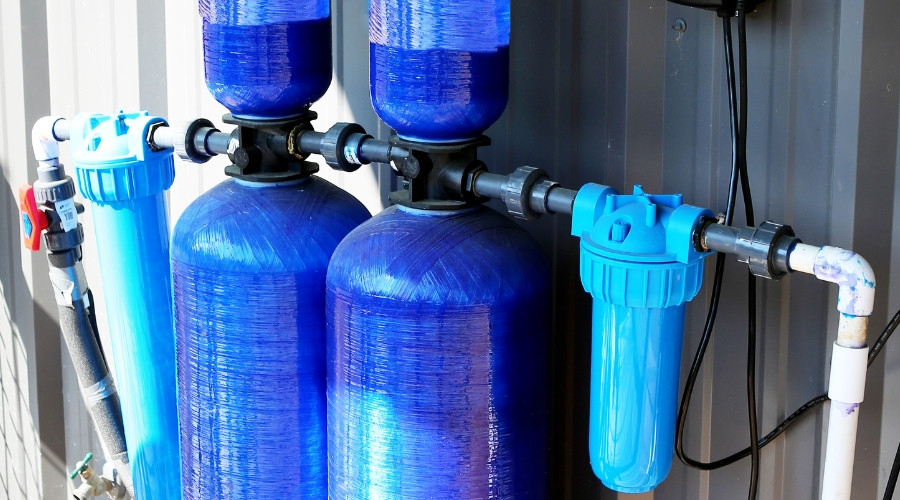
 The value of a whole home water filter extends beyond better taste. By eliminating harmful contaminants like lead and chlorine, these systems reduce health risks and prevent skin dryness. Furthermore, water filter installation prevents mineral buildup in pipes, significantly extending the lifespan of appliances such as water heaters and dishwashers. This makes it a cost-effective choice that reduces the need for bottled water.
 Physical indicators often reveal compromised water quality. If water has a metallic taste, a sulfur smell, or a cloudy appearance, a water filter is likely needed. Rust stains in sinks or spotted dishes after a wash cycle are also common symptoms of hard water or iron issues. Observing these signs suggests that a water filtration system is necessary to restore cleanliness and safety.
)

 Shifting or inconsistent temperatures are among the earliest clues that a water heater is struggling. When water alternates between too hot and too cool, internal parts may no longer regulate heat effectively. Sediment can settle in the tank and insulate heating surfaces, slowing recovery and reducing available hot water during normal routines. Electric models may exhibit worn
  Wear from years of service eventually affects most storage-style systems. Rumbling or popping sounds, frequent resets, or steadily declining output suggest that components are tired and sediment has accumulated to levels that hinder performance. Recurring fixes at this stage often provide only temporary relief and can become less cost-effective over time.
)

 A whole home water filter brings multiple benefits, going well beyond simply improving drinking water. By filtering out chlorine, sediments, and harmful contaminants, these systems enhance both the safety and health of water used throughout the household. They also improve the taste and smell of water, making it more pleasant for drinking, cooking, and everyday use.
 Homeowners should be aware of indicators that suggest a
 )

 Installing a tankless water heater comes with several advantages that make it an appealing upgrade for many homeowners. One of the biggest draws is energy efficiency. Traditional water heaters continuously heat water stored in a tank, even when it’s not in use, which leads to energy waste. In contrast, tankless systems heat water only when needed, which significantly reduces energy consumption and, in turn, lowers monthly utility bills.
 Over time, even the most reliable water heaters begin to show signs of wear. Homeowners should be aware of certain indicators that suggest it’s time to replace an aging unit, especially if the existing system uses a storage tank.
)