


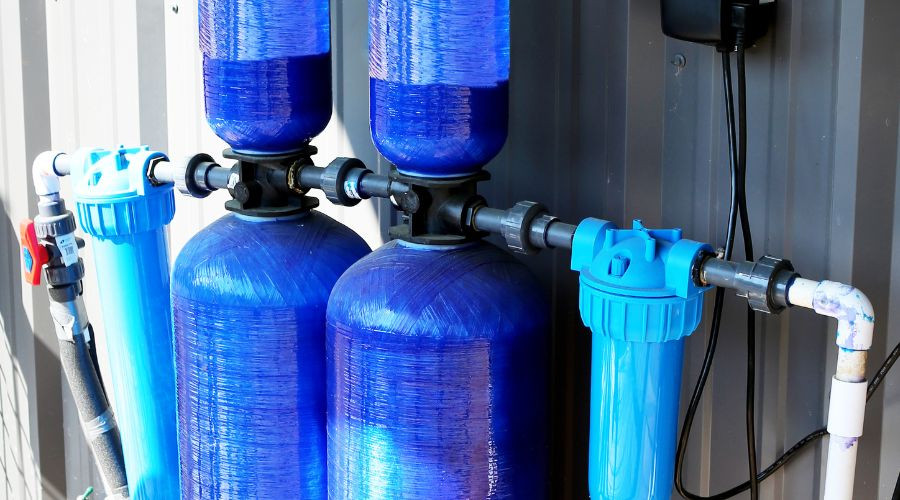
The Importance of Installing a Whole House Water Filter
Installing a water filtration system has become vital to ensure safe and clean water for households. These systems offer an effective solution for removing contaminants, improving taste, and providing peace of mind regarding the water consumed daily. This blog explores compelling reasons to invest in a water filtration system, highlighting its benefits in enhancing health, protecting appliances, and contributing to a more sustainable lifestyle.
What Do Water Filtration Systems Do?
Water filtration systems are designed to enhance water quality by removing impurities and contaminants, ensuring that the water is safe for consumption and daily use. These systems pass water through a series of filters designed to target specific contaminants.
- Contaminant Removal: Water filtration systems eliminate many impurities, including sediment, chlorine, heavy metals, pesticides, and bacteria. By doing so, they significantly improve both the taste and odor of the water, providing a more pleasant drinking experience.
- Filtration Process: The filtration process typically involves several stages, each utilizing different materials and techniques. Common methods include activated carbon filters, which capture contaminants through absorption, and reverse osmosis systems, which use a semipermeable membrane to remove dissolved solids. Additional technologies, such as UV filtration, can be used to neutralize biological threats like viruses and bacteria.
- System Types: Water filtration systems come in various forms, including point-of-entry systems that treat all the water entering a home and point-of-use systems designed for specific outlets like kitchen faucets or refrigerators. Each type caters to different needs, allowing homeowners to select a system that matches their specific requirements and water quality goals.
- Benefits Beyond Contaminant Removal: Beyond purifying water, filtration systems also help prevent the build-up of scale in pipes and appliances, extending their lifespan and improving efficiency. This dual benefit ensures not only healthier water but also cost savings in maintenance and replacements.
By comprehensively treating water to eliminate harmful substances, water filtration systems provide a reliable and effective solution for ensuring clean, safe water that supports a healthy lifestyle.
Benefits of Water Filtration Systems
 Installing a whole-house water filtration system offers numerous advantages, providing comprehensive protection and improved water quality throughout the home. Here are some key benefits of integrating such a system:
- Comprehensive Contaminant Removal: A whole-house water filter ensures that all water entering the home is treated, effectively removing contaminants like chlorine, sediment, heavy metals, and more. This ensures that every tap, shower, and appliance receives clean, safe water, reducing exposure to harmful substances.
- Improved Health and Safety: With contaminants effectively filtered out, the risk of waterborne illnesses is significantly reduced. Clean, filtered water enhances overall health by providing a safer option for drinking, cooking, and bathing, supporting the well-being of the entire household.
- Enhanced Water Quality: By eliminating unpleasant tastes and odors, whole-house water filters provide a more refreshing and enjoyable water experience. Whether it's tap water or water used for cooking, the improved taste and smell are immediately noticeable.
- Protection for Plumbing and Appliances: Whole-house water filters help prevent scale build-up and corrosion in pipes and appliances. This protection extends the lifespan and efficiency of plumbing systems, water heaters, and household appliances, resulting in long-term cost savings on repairs and replacements.
- Environmentally Friendly: By reducing the need for bottled water, a whole-house filtration system can significantly lower plastic waste and its environmental impact. This sustainable option contributes to a healthier planet while offering long-term financial savings.
- Convenience and Peace of Mind: Once installed, a whole-house water filtration system requires minimal maintenance, offering consistent water quality without the hassle of using separate filters for each point of use. Homeowners can enjoy the peace of mind of knowing all incoming water is treated and safe.
Whole-house water filtration systems provide a practical and effective solution for ensuring clean, safe water throughout the home. Their benefits extend beyond health and safety, offering long-term financial savings and contributing to a more sustainable lifestyle.
Signs a Home Needs a Water Filtration System
 Recognizing the signs that a home may require a water filtration system is crucial for ensuring water quality and safety. Here are some common indicators that a water filter installation might be necessary:
- Unpleasant Taste or Odor: If tap water has a distinct, unpleasant taste or odor, it could indicate the presence of chemicals such as chlorine, sulfur, or other contaminants. A water filtration system can effectively remove these impurities, providing better-tasting and odor-free water.
- Visible Sediment or Discoloration: Cloudy water or the presence of particles when water is poured may suggest sediment, rust, or mineral deposits. These issues affect water quality and can lead to clogged fixtures and appliance damage.
- Stains and Mineral Build-up: Hard water, characterized by high mineral content, can leave stains on sinks, tubs, and fixtures and cause scale build-up in water heaters and pipes. A whole-house filtration system can address these issues, preventing damage and maintaining the efficiency of plumbing systems.
- Recurring Skin Irritations: Hard water or water containing specific chemicals can lead to dry, irritated skin and exacerbate conditions like eczema. Installing a filtration system can help alleviate these symptoms by providing cleaner, gentler water.
- Frequent Appliance Repairs: If household appliances such as dishwashers and washing machines require frequent maintenance or repairs, it may be due to mineral deposits and scale build-up from untreated water. A filtration system can protect appliances and extend their lifespan by mitigating these issues.
- Concerns About Water Contaminants: Awareness of local water quality issues, such as recent reports of contamination or naturally occurring minerals like lead, arsenic, or nitrates, can prompt additional water treatment to safeguard health.
By being attentive to these signs, homeowners can determine when to invest in a water filtration system. Addressing water quality issues not only enhances the safety and comfort of daily living but also provides long-term benefits for the home and its residents.
About City Plumbing
City Plumbing is a fully licensed, bonded, and insured home service company. Their technicians are highly trained and have undergone rigorous background checks and drug tests for your safety. Contact them today for water filtration services in Philadelphia, PA.
)

 Unexpectedly high water bills are often one of the first signs of a hidden water leak. A sudden spike in monthly water usage without any significant changes in household habits calls for investigating the possibility of a leak. Even a minor leak, like a dripping faucet or running toilet, can waste hundreds of gallons per month, leading to substantial increases in utility bills.
 A
A )

 Hard water can lead to various costly and inconvenient effects. One of the most significant issues is the damage it inflicts on plumbing systems. Over time, mineral deposits can accumulate within pipes and water heaters, resulting in lowered water pressure, leaks, and expensive repairs.
 Water softeners are designed to
 )

 Hundreds of feet of
  If a water leak is suspected, it is recommended that owners call a plumber who specializes in leak detection right away. However, if they aren't certain, there is an easy test that anyone can do to gather more information about water leaks in their home. It's a good idea to do this test periodically for home maintenance.
 )

 A conventional water tank is flawed by design. The principle behind their operation is that they heat water slowly and store it in a large tank awaiting demand. Inevitably, the tank will cool off, causing the water heater to have to reheat the water. Even with good insulation on the water tank, water tanks are inherently inefficient.
  Tankless water heaters sit idle until they sense a flow in the hot water piping in the home that indicates someone needs hot water or an appliance is calling for it. At that moment, they fire up powerful burners or heating elements to heat water, making them instantaneous water heaters. The beauty of tankless water heaters is that they will continue this process until flow is no longer sensed in the piping. This means endless hot water for everyone in the family.
 )