



What Is Hard Water?
As water goes through the water cycle, the last place it ends up before it is treated and piped to home is in a reservoir or aquifer. The journey that water takes to get there allows it to pick up ions in the soil and bedrock in a region. This gives each water supply a unique mineral profile that accounts for differences in taste and other characteristics.
One downside of having water laden with minerals is that the ions can contribute to hard water. Hard water contains a high load of calcium and magnesium. When these minerals are present in water, they impede the ability of water to do some of the things that society relies on it to do. Removing these ions from the water is the job of a water softener. This article is a quick discussion about how a water softener works and why installing a whole-home water softener is probably a healthy choice for the home.
How Exactly Does a Water Softener Work?
 Since the ions that contribute to hard water come from the bedrock in a region, water laden with minerals is called “hard.” A water softener “softens” water by removing these minerals. The best way to achieve soft water in a home or business is to use a whole-home water softener that removes minerals from the water at the source where water enters the home.
A whole-home water softener is installed where water enters a home or business. All of the water that flows through the plumbing has its ions removed. The first stop for the hard water is in a large tank filled with resin. This special reason attracts the calcium and magnesium ions and binds them up. As water flows through the resin bed, more ions are captured so that it is softened as soon as water enters the piping in a home. Water softeners must periodically remove the buildup of ions in the resin so they automatically flush themselves with a strong saline solution, and the process starts over again.
How to Tell When Hard Water Is Present in a Plumbing System
 The signs of hard water are usually evident by recognizing the drawbacks of dealing with hard water. Hard water can cause several problems like:
- Spotted glasses in the dishwasher
- Faded clothes after just a few washing cycles
- Dry hair and skin resulting from hard water’s inability to remove soap residue and grime
- Crusty, white buildup on plumbing fixtures
- Problems with water pressure
- Corrosion in a plumbing system
Whole-Home Water Softener Benefits
Removing the minerals from water is a great step towards unleashing the potential of water. By removing ions from water, the water can more adequately remove contamination when clothing and dishes are washed. Soft water is also better for hair and skin because it can rinse away grime more effectively. Finally, soft water is better for plumbing because it prevents minerals from causing corrosion in water heaters and piping. A whole-home water softener is a great place to start for owners looking to enjoy their water more fully.
About City Plumbing
City Plumbing is ready to answer questions about water quality and water softeners. Their experienced teams can find water quality solutions for any home. Call today for plumbing service in Philadelphia, PA.
)

 Homeowners who are in tune with their houses' ins and outs usually feel that there is something wrong before they figure out what the problem is. It is entirely valid to follow that hunch, and if any of the following signs can be ticked off the list, then it could be an underground water leak.
 Finding and fixing an underground leak is no simple task. It involves using specialized equipment and several hours of dedicated labor, even the possibility of digging a trench to get to an underground pipe. While it is possible to DIY this repair, the best option is still to call professional water leak detection services. Leak detection services are fully equipped and experienced to handle these situations. Homeowners would do well to lean on their expertise to ensure that their water leak problems are resolved thoroughly, all while saving them time and money that could result from a botched DIY.
)

 Water heaters may be the most forgotten appliance in a home. In every home, a neglected water heater is unremembered in a dark closet or basement until it fails to provide hot water. Suddenly, it is the most important piece of equipment in the entire home. Most people don’t know that water heaters often display signs before they completely give out. Some of the common signs that a water heater is on the verge of failure are:
  Tankless water heaters cost a little more upfront, so tankless water heaters have some
 )
)
)


)
)
)
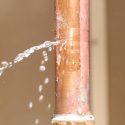
 Low water pressure comes out of faucets in drops or otherwise very slowly. Attempting to fill a sink with water, shower, or complete other water-necessary tasks can be nearly impossible if low-water pressure is a problem.
 Leaks often cause higher water bills. When there is a dramatic increase in water usage and water bill costs, the culprit often lies within a plumbing leak.
 )
)
)