
Understanding Water Filtration Systems

Why Install a Water Filtration System

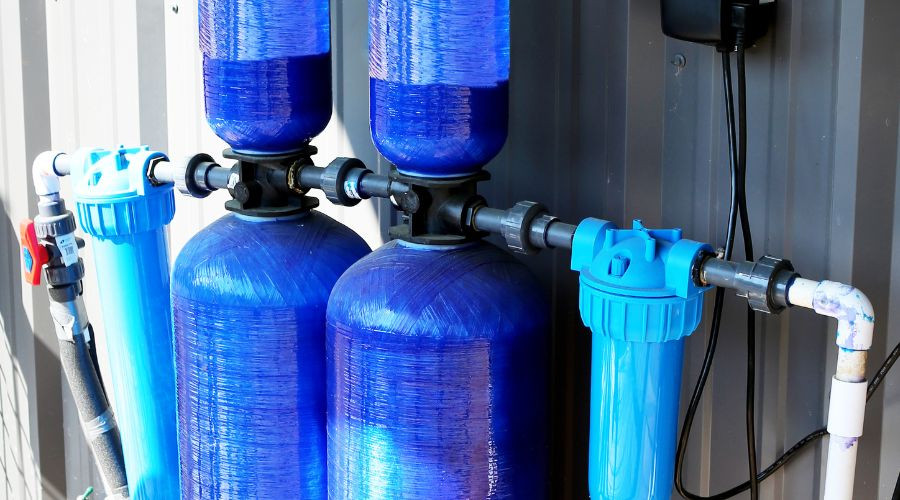
More homeowners are choosing to install a water filtration system to protect their family’s health and improve water quality. Untreated water may carry chemicals, sediments, and other impurities that can damage plumbing fixtures and appliances over time. A properly installed water filter delivers safe, fresh-tasting water from every tap, enhancing drinking, cooking, and cleaning experiences while providing peace of mind.

Benefits of Whole Home Water Filtration Systems

water A whole home water filter brings multiple benefits, going well beyond simply improving drinking water. By filtering out chlorine, sediments, and harmful contaminants, these systems enhance both the safety and health of water used throughout the household. They also improve the taste and smell of water, making it more pleasant for drinking, cooking, and everyday use.

Whole-home filtration systems can extend the life of appliances and plumbing, reducing repair and replacement costs. Homeowners also save money by cutting back on bottled water purchases.

Many modern systems also function as water softeners, offering additional advantages. Softened water helps prevent mineral buildup in pipes and appliances, decreases soap usage, and leaves hair and skin feeling soft and refreshed after showers.

Signs a Home Needs a Water Filtration System

dirty water Homeowners should be aware of indicators that suggest a water filter installation might be needed. Water that tastes off or smells strange may contain contaminants that require removal. Additionally, cloudy, discolored, or murky water is a common signal that filtration is important. Concerns about harmful chemicals, lead, or bacteria in the water supply are also valid reasons to consider a water filtration system. Recognizing these signs early allows families to maintain safe, clean, and healthy water throughout the home.

How To Choose a Whole House Water Filter

Selecting an appropriate whole-home water filter depends on understanding the unique needs of each household. The presence of contaminants in the water and issues like hard water are critical factors in deciding which filtration system will perform best. Conducting a professional water quality test provides detailed insights into impurities and helps determine the ideal solution. In some cases, a reverse osmosis system may be recommended for homes with elevated mineral or contaminant levels. Working with a skilled water filtration system installation professional ensures that every tap provides safe, high-quality water.

About City Plumbing

City Plumbing is a fast and reliable plumbing company serving Cinnaminson, NJ, and the surrounding areas. They offer quality service, 24/7 availability, and straightforward pricing. Call them for whole-home water filtration systems in Cinnaminson, NJ, and the Greater Philadelphia area.

Distribution Links +

Complete Guide to Tankless Water Heater Systems

Staying Safe With Tankless Water Heaters

Tankless water heaters offer convenience and energy efficiency, but like any home appliance, safety should remain a top priority. These systems heat water on demand using high-powered burners or electric elements, which means they require proper installation and routine maintenance to operate safely. 

Ventilation is especially important with gas-powered units to prevent the buildup of harmful gases, such as carbon monoxide. Additionally, ensuring the unit is installed by licensed professionals helps avoid wiring hazards and faulty connections. Homeowners who follow manufacturer guidelines and schedule regular inspections can enjoy safe, efficient hot water with peace of mind.

What Is a Tankless Water Heater and How Does It Work?

Unlike traditional storage water heaters that keep a large tank of water heated around the clock, tankless water heaters provide hot water only when it’s needed. Also known as on-demand water heaters, these systems deliver hot water instantly and without the need for a bulky tank taking up space in the home.

Here’s how a tankless water heater works:

  • On-demand heating: When a hot water tap is turned on, cold water flows through a heat exchanger inside the unit.
  • Gas or electric power: The heat exchanger is powered either by natural gas or electricity, quickly heating the water as it passes through.
  • No standby heat loss: Because there’s no storage tank, energy isn’t wasted keeping water warm throughout the day.

This setup allows households to enjoy a continuous supply of hot water without the limitations of a tank that must be refilled and reheated. As long as the system is appropriately sized for the home, it can support showers, dishwashers, and washing machines without running out of hot water. With its compact design and modern technology, the tankless water heater has become a popular choice for those looking to upgrade.

Benefits of Installing a Tankless Water Heater

shower Installing a tankless water heater comes with several advantages that make it an appealing upgrade for many homeowners. One of the biggest draws is energy efficiency. Traditional water heaters continuously heat water stored in a tank, even when it’s not in use, which leads to energy waste. In contrast, tankless systems heat water only when needed, which significantly reduces energy consumption and, in turn, lowers monthly utility bills.

Other notable benefits include:

  • Hot water on demand: No more waiting for the tank to refill, hot water is ready instantly.
  • Space-saving design: Tankless units are compact and wall-mounted, freeing up floor space in closets, garages, or utility rooms.
  • Longer lifespan: On average, tankless water heaters last longer than their tank-style counterparts, often up to 20 years with proper maintenance.
  • Reduced risk of leaks: Since there's no tank to corrode, the chances of major water damage from a leaking heater are reduced.

These benefits make tankless water heaters a smart long-term investment for energy-conscious households seeking convenience and performance.

Signs It's Time to Replace an Old Water Heater

dirty water Over time, even the most reliable water heaters begin to show signs of wear. Homeowners should be aware of certain indicators that suggest it’s time to replace an aging unit, especially if the existing system uses a storage tank.

Common signs include:

  • Inconsistent or insufficient hot water: If the hot water runs out too quickly or fluctuates in temperature, the unit may be struggling to perform efficiently.
  • Unusual noises: Popping or rumbling sounds often indicate sediment buildup, which can reduce efficiency and cause damage.
  • Rusty or discolored water: Corrosion inside the tank can cause rust in the water, indicating internal damage.
  • Visible leaks or pooling water: Any sign of a leak near the unit is a red flag that should not be ignored.
  • Unit age: Most traditional water heaters have a lifespan of 8 to 12 years. If it’s older than that, replacement should be considered even without visible issues.

When it’s time to replace an old or inefficient water heater, switching to a tankless water heater is often a smart move. With greater efficiency, longer service life, and modern technology, tankless models offer an upgrade in both performance and reliability, ensuring the household stays comfortable and energy bills remain manageable.

About City Plumbing

City Plumbing has proudly served Philadelphia for nearly 20 years, offering expert plumbing and HVAC services in Philadelphia, PA, and beyond. They offer 24/7 services, clean guarantee, and stress-free service. For reliable tankless water heater services in Philadelphia, PA, call them today!

Prevent Backflow and Its Risks With Regular Backflow Testing

The Importance of Backflow Prevention and Testing

Regular backflow testing protects residential and commercial water systems from contamination and costly plumbing issues. Backflow prevention is crucial to maintaining a clean, safe water supply and preserving the integrity of the plumbing system. Simple routine testing can prevent health risks and avoid major repairs, ensuring reliable water quality throughout the year.

What Is Backflow?

dirty water Backflow is a hazardous plumbing issue when water contaminated with pollutants, chemicals, or bacteria flows backward into the clean water supply. This reversal typically results from an unexpected drop in water pressure, disrupting the intended one-way flow within a plumbing system. 

Municipal water is designed to flow consistently from supply lines into a property’s fixtures. However, events like water main breaks, firefighting operations, or peak usage periods can reduce pressure and trigger a reversal. The risk is particularly high at cross-connections, where drinking water lines intersect with non-potable sources. For instance, a garden hose submerged in a chemical solution can easily become a backflow hazard during a pressure drop. 

Health agencies like the EPA and the American Water Works Association emphasize that backflow has been linked to significant waterborne disease outbreaks, reinforcing the need for regular testing and reliable prevention measures.

What Is Backflow Testing?

Backflow testing is a specialized inspection to ensure that backflow prevention devices operate as intended. These devices, typically installed at critical points in a plumbing system, are designed to stop contaminated water from flowing into the clean water supply. A certified technician checks valve seals, pressure differentials, and relief mechanisms during a test to confirm proper function.

Most municipalities mandate annual backflow testing due to the serious public health concerns posed by system failure. Without it, plumbing systems remain vulnerable to contamination events that could result in illness, property damage, or regulatory penalties.

Faulty or aging components in a backflow preventer can fail without warning. Regular testing identifies issues early, allowing for timely repairs. Beyond health concerns, failure to maintain compliance with local testing requirements can lead to fines or insurance complications, as many policies exclude damages caused by preventable plumbing failures.

Importance of Backflow Testing

water Backflow testing is a first line of defense against contaminated water entering clean plumbing systems. This essential maintenance task ensures backflow prevention assemblies function reliably, maintaining a barrier that protects water quality and public health.

The advantages of regular testing extend beyond compliance. Identifying mechanical failures before they escalate helps prevent expensive repairs and system disruptions. Inspections also help maintain proper water pressure, reducing the risk of reverse flow. In this way, a small investment in annual testing can prevent much larger expenses.

Consistent testing has a direct impact on community health. Contaminated water can transmit Giardiasis, Cryptosporidiosis, and various bacterial infections. According to the CDC, thousands of such cases occur annually in the United States due to compromised water quality. Backflow testing is a simple yet powerful tool in preventing these outcomes.

About City Plumbing

City Plumbing has served the Philadelphia area for over 20 years, providing trusted plumbing, heating, and cooling services with honesty and professionalism. The team includes three full-time master plumbers and operates without subcontractors, ensuring every project is completed to the highest standard. With an emphasis on quality workmanship, customer satisfaction, and code-compliant service, City Plumbing delivers reliable results from start to finish. Call them for expert backflow testing in Philadelphia, PA.

Benefits of Having a Water Filtration System at Home

The Importance of Installing a Whole House Water Filter

Installing a water filtration system has become vital to ensure safe and clean water for households. These systems offer an effective solution for removing contaminants, improving taste, and providing peace of mind regarding the water consumed daily. This blog explores compelling reasons to invest in a water filtration system, highlighting its benefits in enhancing health, protecting appliances, and contributing to a more sustainable lifestyle.

What Do Water Filtration Systems Do?

Water filtration systems are designed to enhance water quality by removing impurities and contaminants, ensuring that the water is safe for consumption and daily use. These systems pass water through a series of filters designed to target specific contaminants.

  • Contaminant Removal: Water filtration systems eliminate many impurities, including sediment, chlorine, heavy metals, pesticides, and bacteria. By doing so, they significantly improve both the taste and odor of the water, providing a more pleasant drinking experience.
  • Filtration Process: The filtration process typically involves several stages, each utilizing different materials and techniques. Common methods include activated carbon filters, which capture contaminants through absorption, and reverse osmosis systems, which use a semipermeable membrane to remove dissolved solids. Additional technologies, such as UV filtration, can be used to neutralize biological threats like viruses and bacteria.
  • System Types: Water filtration systems come in various forms, including point-of-entry systems that treat all the water entering a home and point-of-use systems designed for specific outlets like kitchen faucets or refrigerators. Each type caters to different needs, allowing homeowners to select a system that matches their specific requirements and water quality goals.
  • Benefits Beyond Contaminant Removal: Beyond purifying water, filtration systems also help prevent the build-up of scale in pipes and appliances, extending their lifespan and improving efficiency. This dual benefit ensures not only healthier water but also cost savings in maintenance and replacements.

By comprehensively treating water to eliminate harmful substances, water filtration systems provide a reliable and effective solution for ensuring clean, safe water that supports a healthy lifestyle.

Benefits of Water Filtration Systems

water Installing a whole-house water filtration system offers numerous advantages, providing comprehensive protection and improved water quality throughout the home. Here are some key benefits of integrating such a system:

  • Comprehensive Contaminant Removal: A whole-house water filter ensures that all water entering the home is treated, effectively removing contaminants like chlorine, sediment, heavy metals, and more. This ensures that every tap, shower, and appliance receives clean, safe water, reducing exposure to harmful substances.
  • Improved Health and Safety: With contaminants effectively filtered out, the risk of waterborne illnesses is significantly reduced. Clean, filtered water enhances overall health by providing a safer option for drinking, cooking, and bathing, supporting the well-being of the entire household.
  • Enhanced Water Quality: By eliminating unpleasant tastes and odors, whole-house water filters provide a more refreshing and enjoyable water experience. Whether it's tap water or water used for cooking, the improved taste and smell are immediately noticeable.
  • Protection for Plumbing and Appliances: Whole-house water filters help prevent scale build-up and corrosion in pipes and appliances. This protection extends the lifespan and efficiency of plumbing systems, water heaters, and household appliances, resulting in long-term cost savings on repairs and replacements.
  • Environmentally Friendly: By reducing the need for bottled water, a whole-house filtration system can significantly lower plastic waste and its environmental impact. This sustainable option contributes to a healthier planet while offering long-term financial savings.
  • Convenience and Peace of Mind: Once installed, a whole-house water filtration system requires minimal maintenance, offering consistent water quality without the hassle of using separate filters for each point of use. Homeowners can enjoy the peace of mind of knowing all incoming water is treated and safe.

Whole-house water filtration systems provide a practical and effective solution for ensuring clean, safe water throughout the home. Their benefits extend beyond health and safety, offering long-term financial savings and contributing to a more sustainable lifestyle.

Signs a Home Needs a Water Filtration System

sinkRecognizing the signs that a home may require a water filtration system is crucial for ensuring water quality and safety. Here are some common indicators that a water filter installation might be necessary:

  • Unpleasant Taste or Odor: If tap water has a distinct, unpleasant taste or odor, it could indicate the presence of chemicals such as chlorine, sulfur, or other contaminants. A water filtration system can effectively remove these impurities, providing better-tasting and odor-free water.
  • Visible Sediment or Discoloration: Cloudy water or the presence of particles when water is poured may suggest sediment, rust, or mineral deposits. These issues affect water quality and can lead to clogged fixtures and appliance damage.
  • Stains and Mineral Build-up: Hard water, characterized by high mineral content, can leave stains on sinks, tubs, and fixtures and cause scale build-up in water heaters and pipes. A whole-house filtration system can address these issues, preventing damage and maintaining the efficiency of plumbing systems.
  • Recurring Skin Irritations: Hard water or water containing specific chemicals can lead to dry, irritated skin and exacerbate conditions like eczema. Installing a filtration system can help alleviate these symptoms by providing cleaner, gentler water.
  • Frequent Appliance Repairs: If household appliances such as dishwashers and washing machines require frequent maintenance or repairs, it may be due to mineral deposits and scale build-up from untreated water. A filtration system can protect appliances and extend their lifespan by mitigating these issues.
  • Concerns About Water Contaminants: Awareness of local water quality issues, such as recent reports of contamination or naturally occurring minerals like lead, arsenic, or nitrates, can prompt additional water treatment to safeguard health.

By being attentive to these signs, homeowners can determine when to invest in a water filtration system. Addressing water quality issues not only enhances the safety and comfort of daily living but also provides long-term benefits for the home and its residents.

About City Plumbing

City Plumbing is a fully licensed, bonded, and insured home service company. Their technicians are highly trained and have undergone rigorous background checks and drug tests for your safety. Contact them today for water filtration services in Philadelphia, PA.

Identifying Water Leaks in a Home

Tips To Help Find and Fix Water Leaks

Water leaks might seem like a minor nuisance, but they can quickly escalate into costly issues that threaten a home's structural integrity and inflate utility bills. Whether it's a sneaky drip under a sink or a hidden pipe problem within the walls, undetected leaks can waste thousands of gallons of water annually and lead to devastating damage, mold growth, and skyrocketing utility costs. On average, households lose nearly 10,000 gallons of water each year due to easily fixable leaks – enough to wash 270 loads of laundry. By learning to recognize the early signs of water leaks, homes can be protected, money saved, and water conservation efforts supported. This guide will explore practical ways to become a leak detective, catching and addressing these problems before they spiral out of control.

High Water Bills

bills Unexpectedly high water bills are often one of the first signs of a hidden water leak. A sudden spike in monthly water usage without any significant changes in household habits calls for investigating the possibility of a leak. Even a minor leak, like a dripping faucet or running toilet, can waste hundreds of gallons per month, leading to substantial increases in utility bills.

Addressing water leaks promptly is essential for both financial protection and maintaining a home's integrity. Unchecked leaks result in unnecessary expenses and can cause extensive structural damage, mold growth, and foundation issues. Professional plumbers can conduct thorough leak detection tests to pinpoint the source of the problem, potentially saving thousands of dollars in both water costs and future repairs. The longer a suspected leak goes unaddressed, the more costly the consequences.

Other Signs of a Leak

Water leaks can reveal themselves through various signs beyond an unexpected increase in the water bill. Visual indicators include water stains or discoloration on walls, ceilings, or floors, as well as warping or buckling of surfaces. Mold or mildew growth, particularly in typically dry areas, is another crucial warning sign. A musty odor, peeling paint or wallpaper, or unexplained puddles around the property can also indicate the presence of a leak.

Less obvious signs require careful attention to a home's behavior and conditions. Sounds like dripping or rushing water, especially when no fixtures are in use, should be investigated. A decrease in water pressure or inconsistent water flow from faucets might also signal a problem. Outside, unusually lush or green patches of grass can indicate underground leaks that create concentrated moisture areas. Foundation issues, such as cracks or settling, may also be the result of long-term water damage from hidden leaks. Even subtle signs like warm spots on the floor (from hot water line leaks) or the sound of continuously running water in a toilet can point to significant plumbing problems that need immediate attention.

Use the Water Meter

water meter A water meter is one of the most reliable tools for detecting water leaks. To test for a leak, turn off all water-consuming appliances and fixtures, including ice makers, washing machines, and irrigation systems. Record the exact reading on the water meter, then refrain from using any water for two hours. After this waiting period, check the meter again. If the reading has changed despite no water usage, a leak is likely present in the system.

For more precise detection, monitor the meter’s leak indicator, often a small triangle or diamond-shaped dial that rotates when water flows. If this indicator moves while all water sources are shut off, it signals water movement in the plumbing system, even if minimal. Larger leaks will cause noticeable movement in the main dial, while smaller leaks might only trigger the leak indicator. This method is especially useful for detecting hidden leaks that might otherwise go unnoticed until they cause significant damage.

About City Plumbing Heating and Air Conditioning

City Plumbing Heating and Air Conditioning is a reliable plumbing and HVAC company in South Jersey Philadelphia and surrounding areas. They offer clean and professional services, at straightforward prices. Call them for plumbing and HVAC services in Philadelphia, PA.